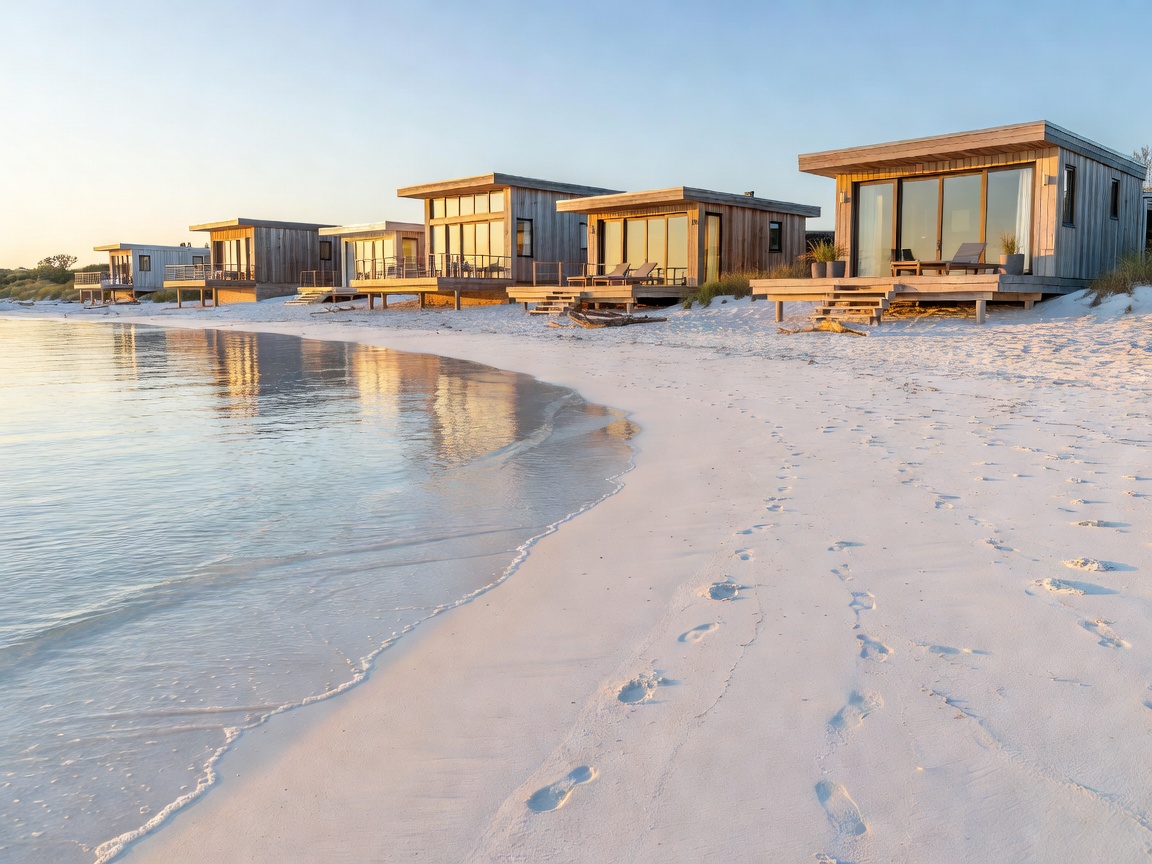
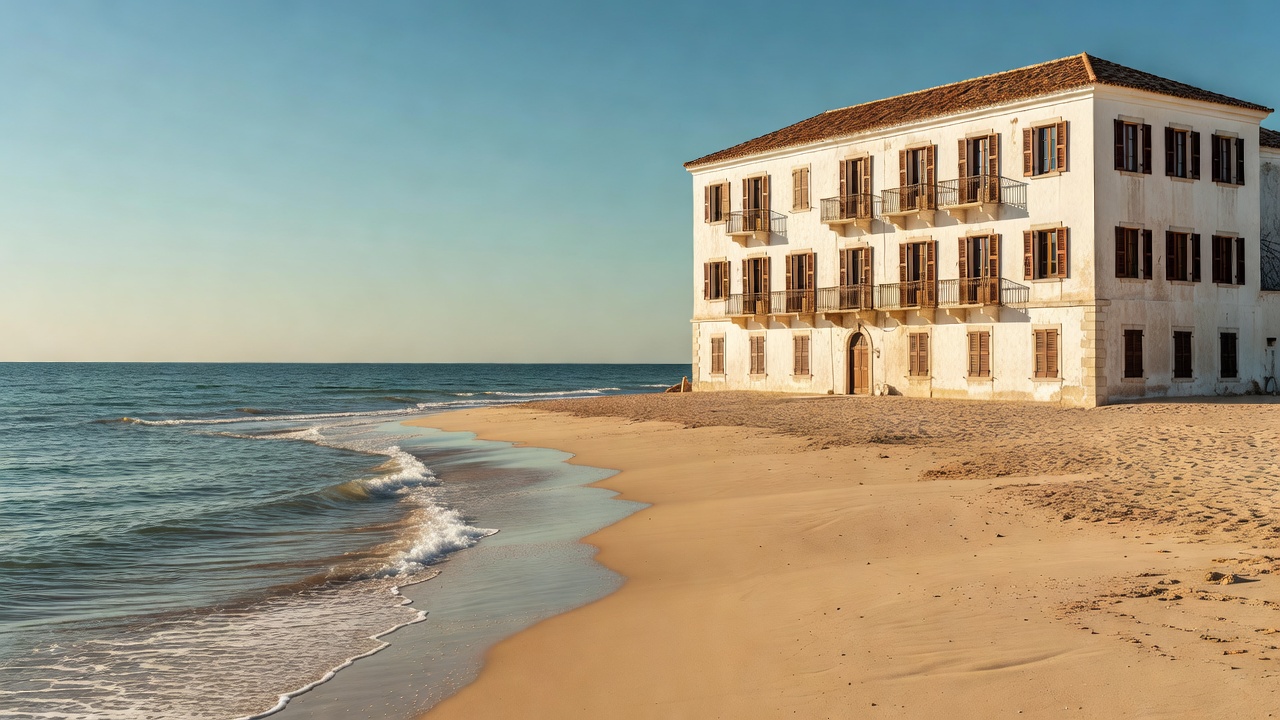
Seaside hotel building beside a sandy shoreline with the sea in the background
Coastal Travel Journal · Ishoej, Denmark

Seaside Hotels in Denmark

Discover coastal accommodation ideas and seaside stays across Denmark, from peaceful beach escapes to waterfront destinations.

5Coastal regions covered
6Seaside stay types
7,300 kmDanish coastline
Why the coast

Denmark is never far from the sea

No place in Denmark lies more than about 50 kilometres from salt water. That simple geographic fact shapes how the country travels: a seaside stay is rarely a long journey, and a coastal weekend is genuinely achievable from almost any Danish town or city.

Travellers choose seaside hotels for the rhythm they offer. Mornings begin with open horizons and moving light, days can be structured around tides, walks and harbours rather than schedules, and evenings tend to slow down. Coastal air, wide skies and the sound of water are the practical reasons people book near the shore — and they are reasons no interior design scheme can replace.

This journal is an independent, informational guide. We do not own, operate or represent any hotel. Instead, we explain how Danish coastal accommodation works, what distinguishes one shoreline from another, and which questions are worth asking before you commit to a location.

About this guide
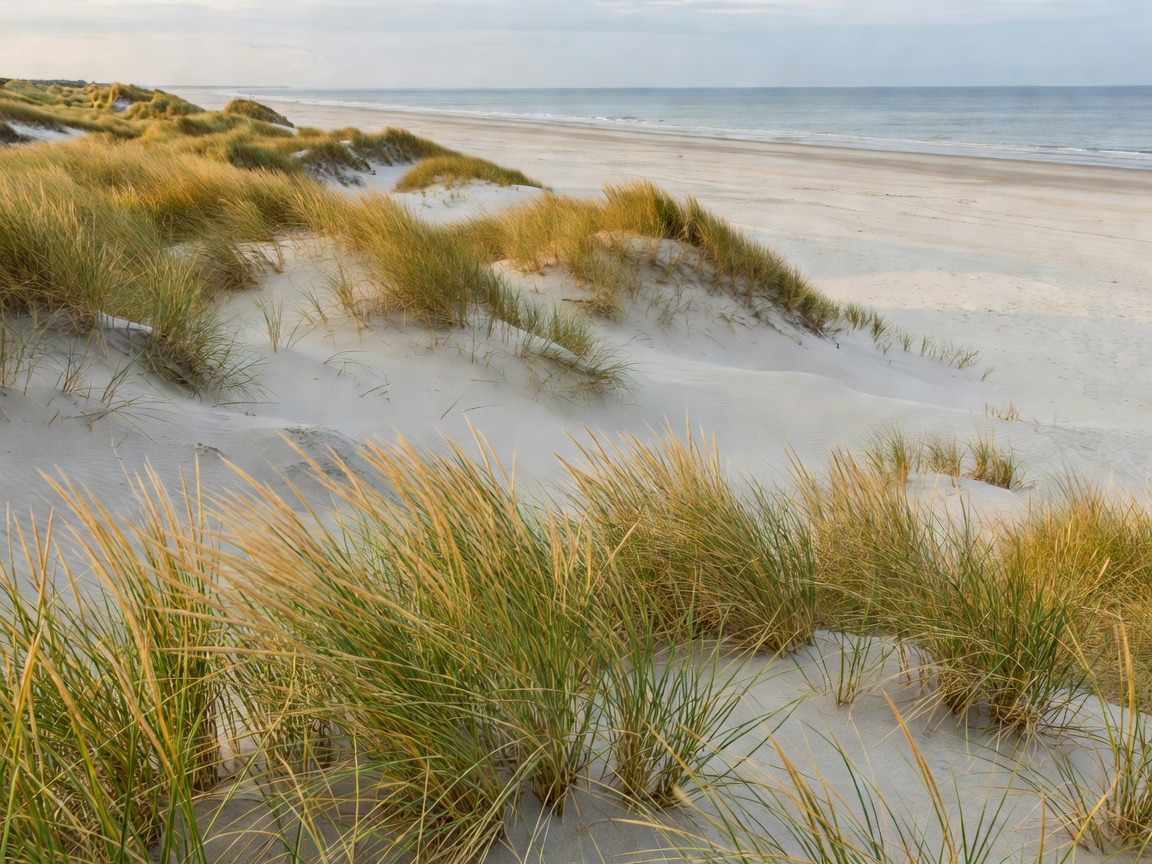
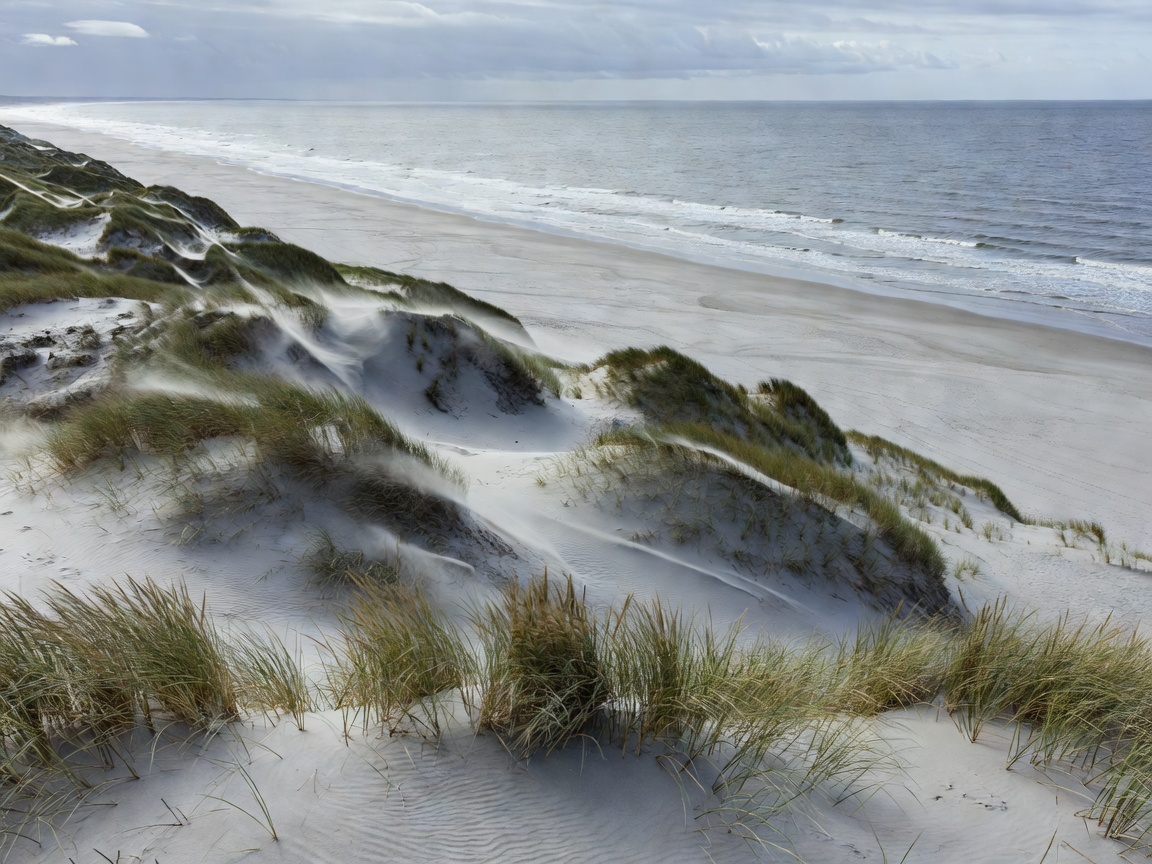
Wide northern European beach with dune grass and a calm grey-blue sea
Editorial introduction

Understanding Danish coastal accommodation

Danish coastal hotels vary enormously in character — from harbour buildings in working port towns to low, wind-shaped properties behind dune belts. Knowing the categories helps you match a stay to the trip you actually want.

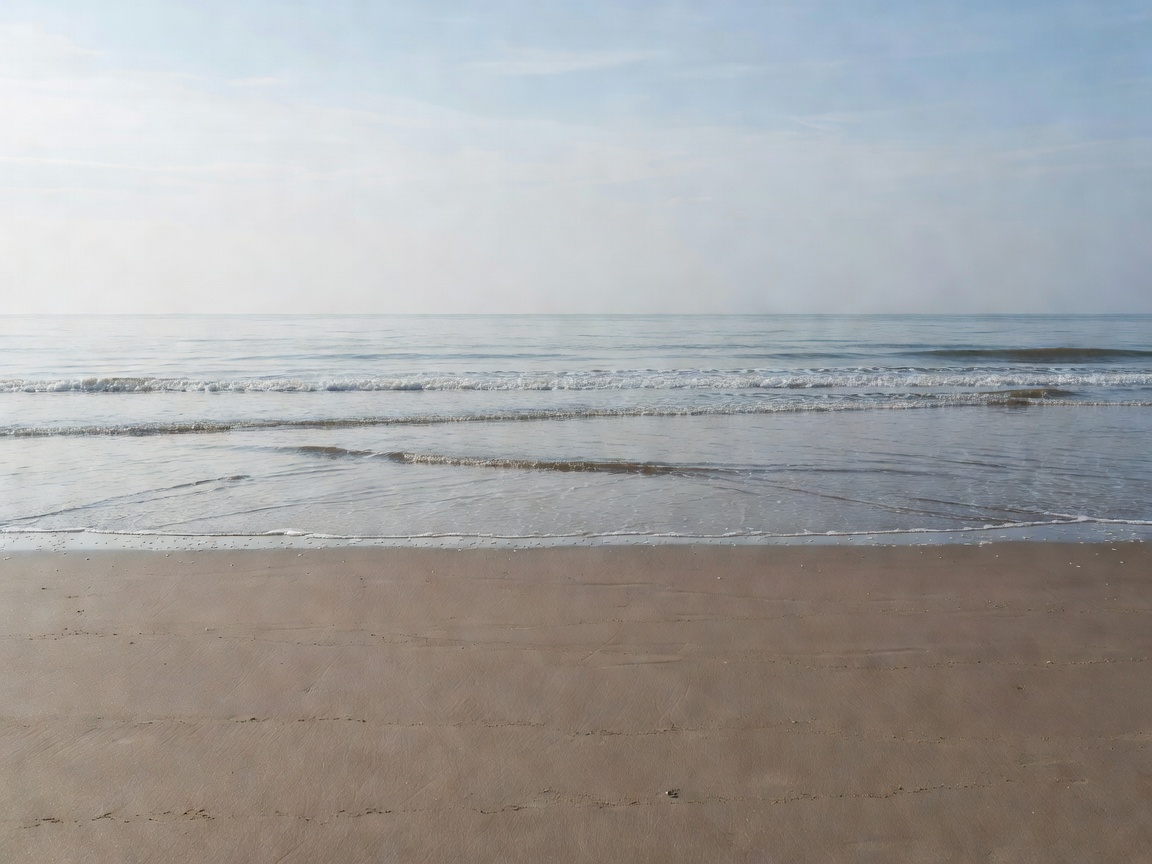
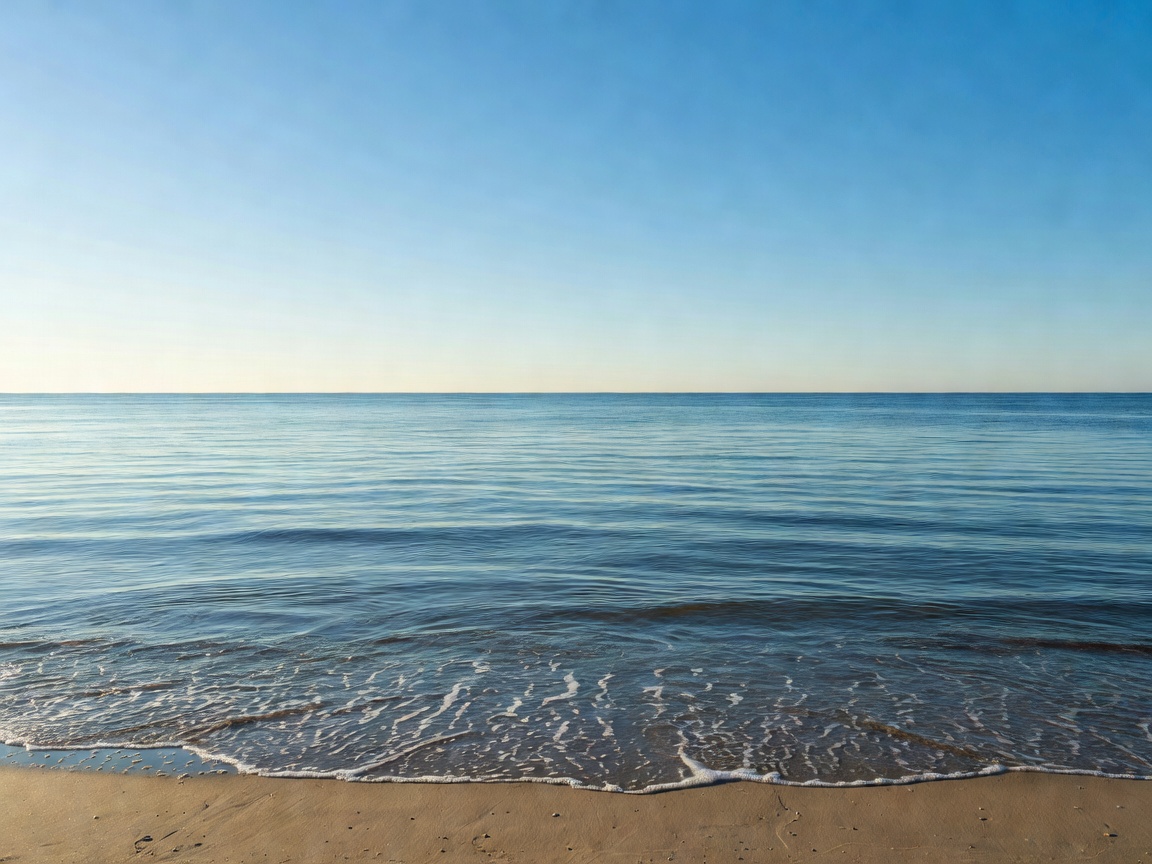
Empty sandy beach at low tide with gentle waves rolling in
Location types

Beachside, waterfront and coastal

A beachside property sits directly on or beside sand. A waterfront property faces a harbour, fjord or inlet — water views, but not necessarily a swimming beach. A coastal property is in the region but may sit inland from the shore.

Read the location guide
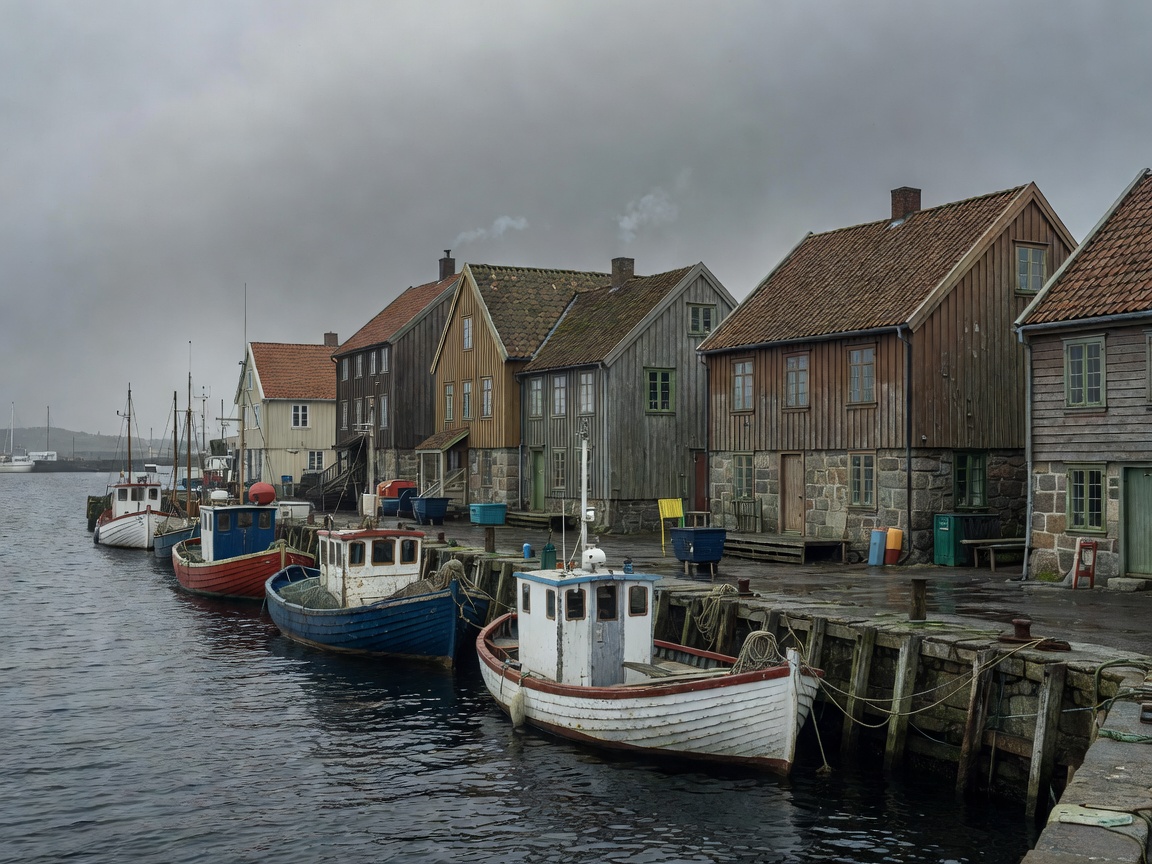
Small fishing boats moored in a northern European harbour beside quayside buildings
Property styles

Harbour houses to larger resorts

Danish coastal stays include converted harbour buildings, seaside inns, family-oriented holiday properties, larger leisure complexes and small boutique addresses in coastal towns. Each style suits a different pace of travel.

See stay types
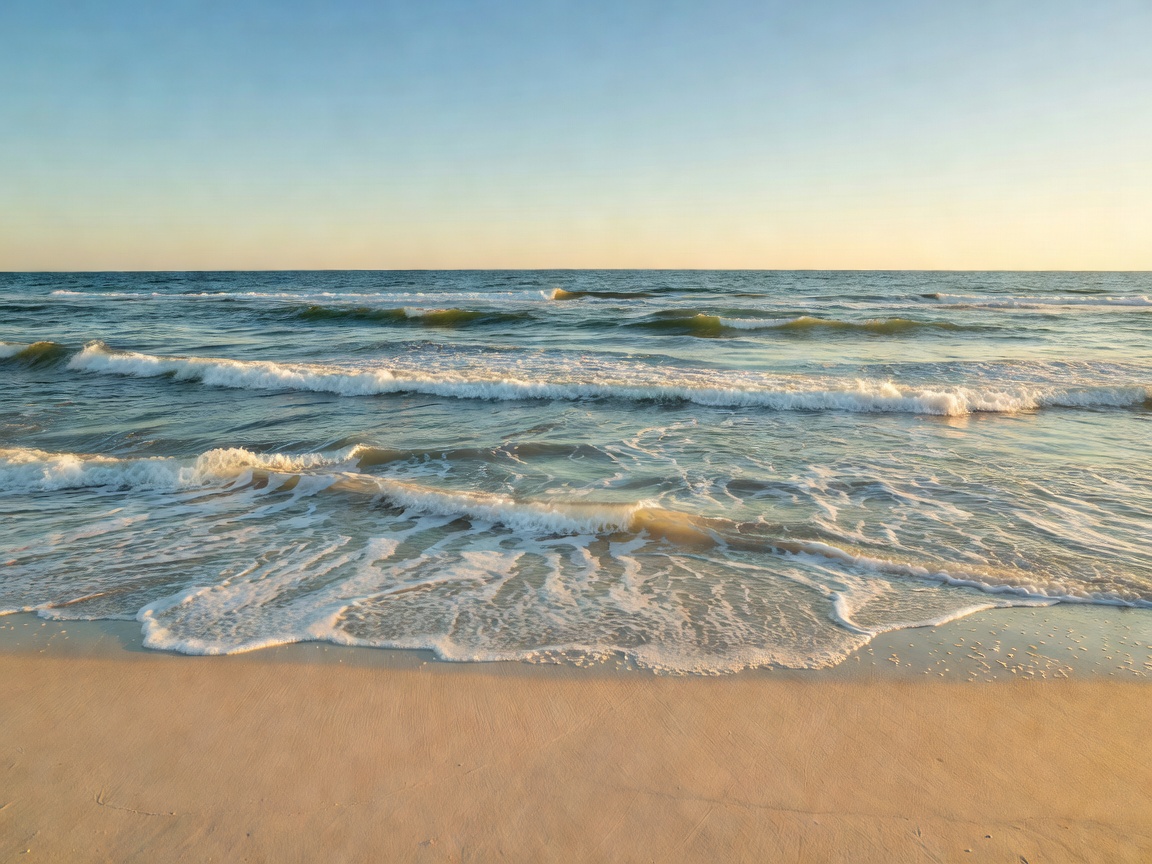
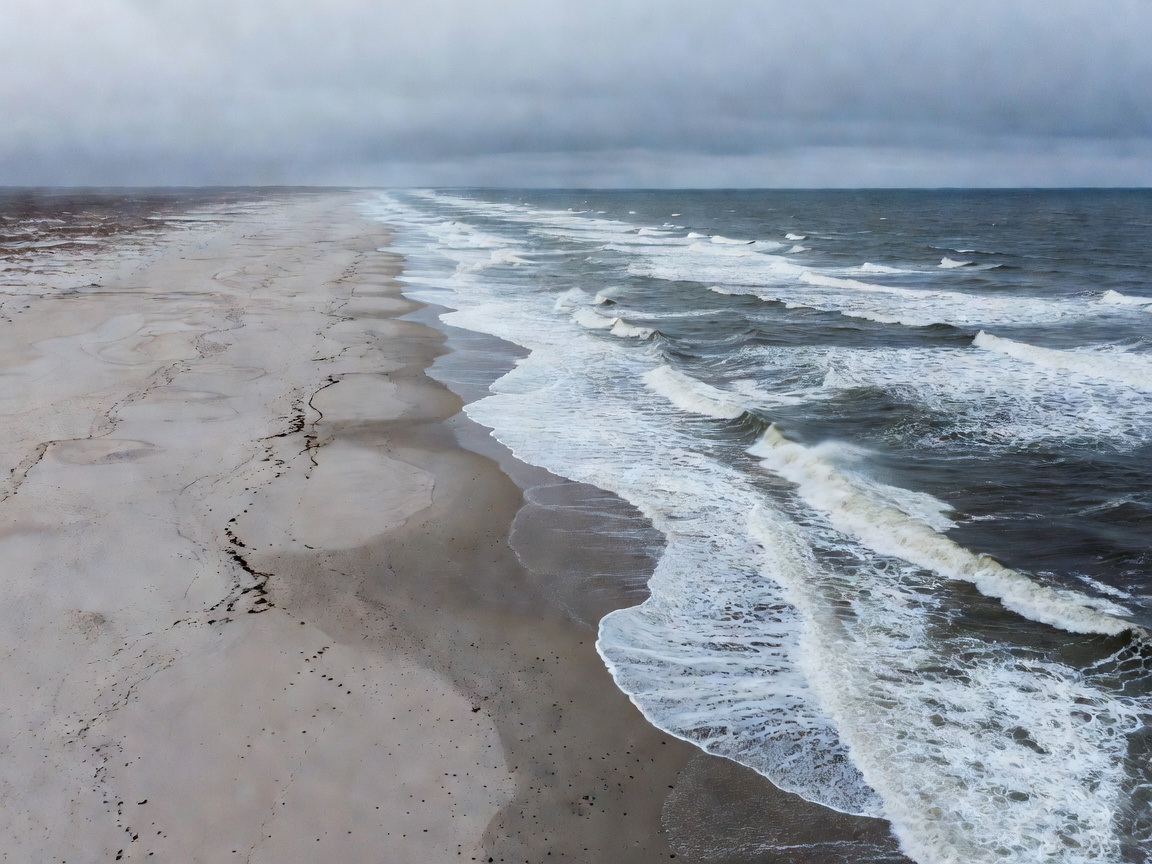
Waves breaking on a north European coastline under an overcast sky
Planning

What to consider before booking

Distance to the water, the direction a room faces, public transport access, seasonal opening patterns and whether you need a car are the decisions that shape a coastal stay far more than décor does.

Open the Denmark guide
Seaside stay types

Six ways to stay by the Danish sea

Categories are descriptive, not promotional. Always confirm the details of any individual property directly with the hotel or an official booking channel.

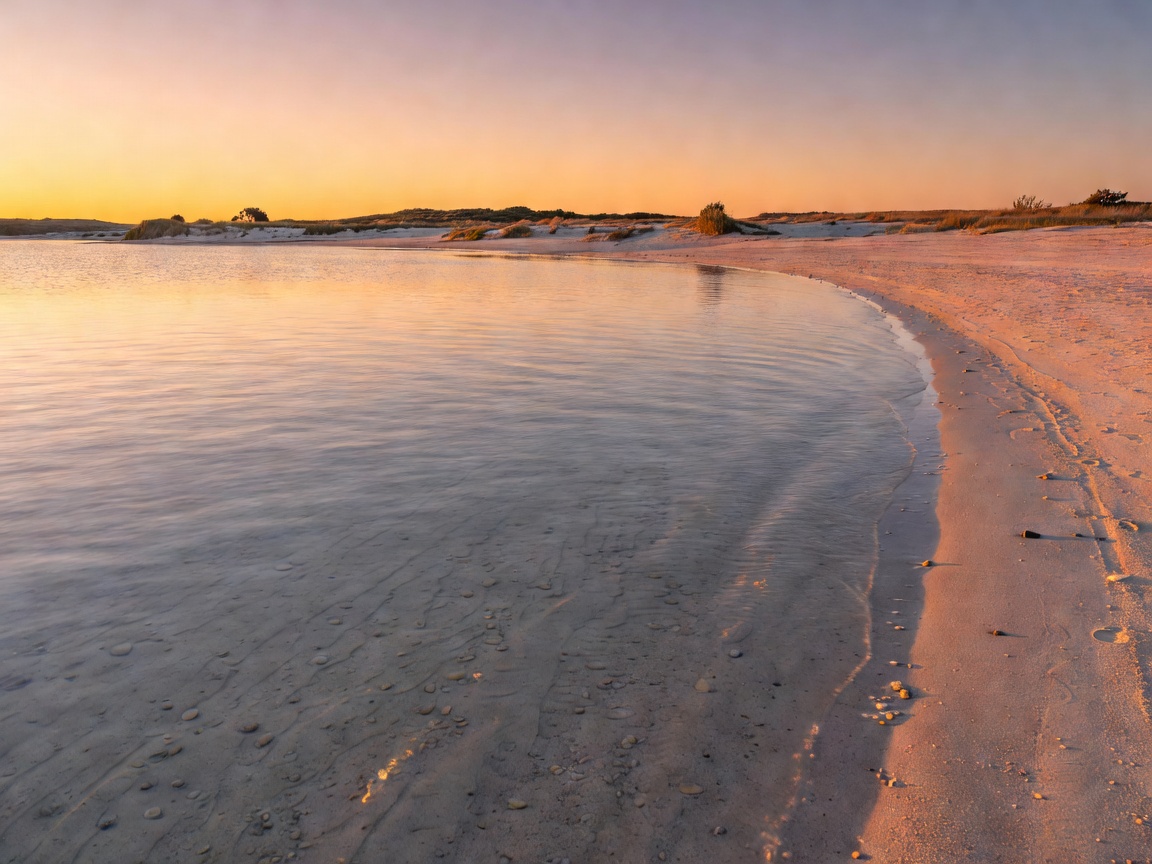
Shoreline with fine sand and shallow water directly in front of coastal accommodation
Category 01

Beachfront Hotels

Hotels located directly beside, or very close to, a beach. Sand access is typically immediate or a short path away, and rooms are often oriented toward the water.

Learn More
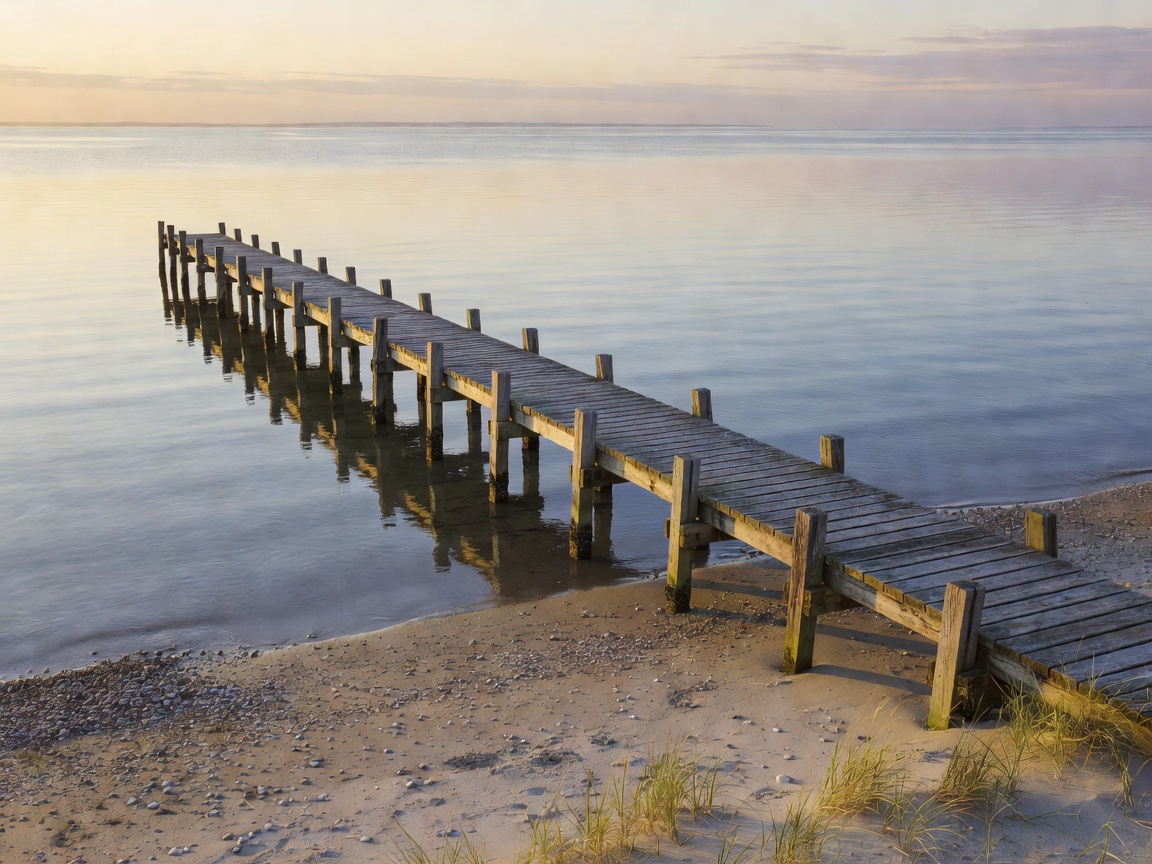
Wooden jetty and quayside beside calm harbour water at dusk
Category 02

Waterfront Hotels

Accommodation positioned beside a harbour, inlet, fjord or urban waterfront. Water is part of the view and the atmosphere, though a swimming beach may be elsewhere.

Learn More
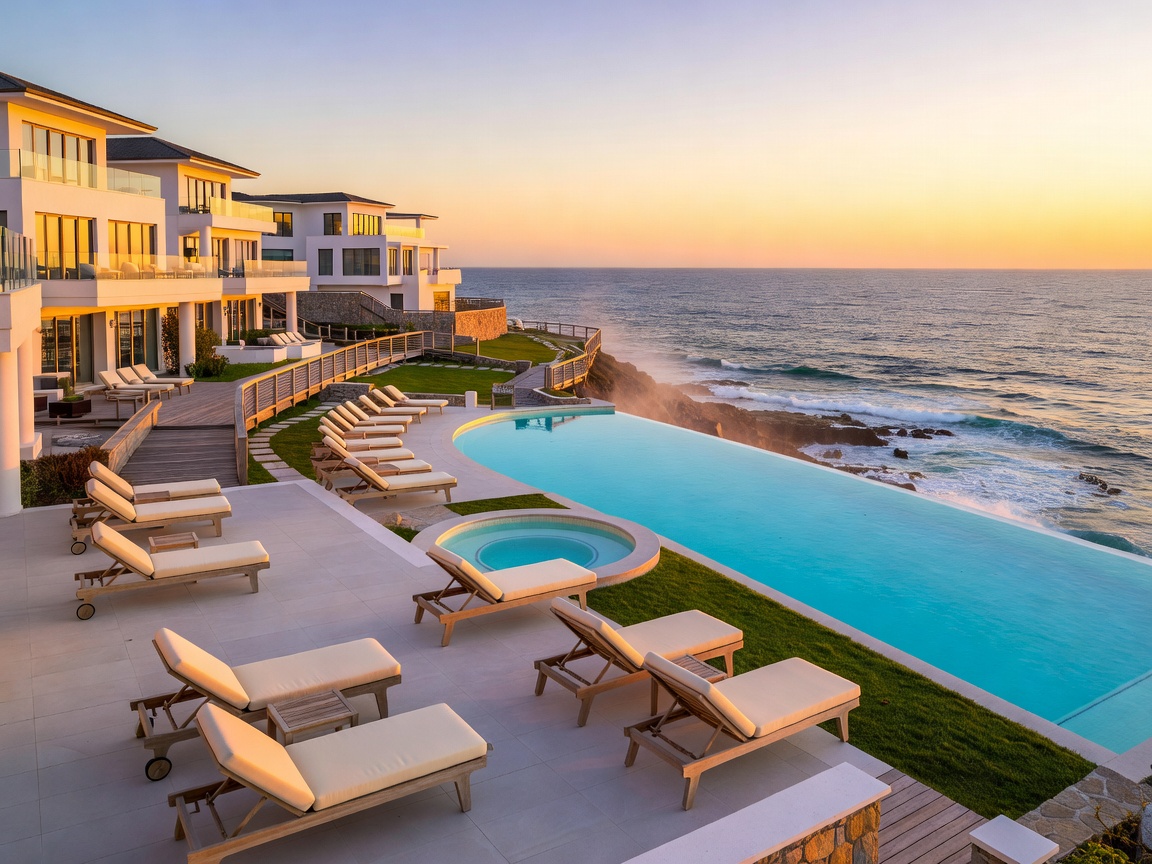
Larger hotel property with outdoor terrace and leisure facilities near the coast
Category 03

Coastal Resorts

Larger properties associated with coastal leisure, often combining accommodation with dining, wellness or activity facilities on a single site.

Learn More
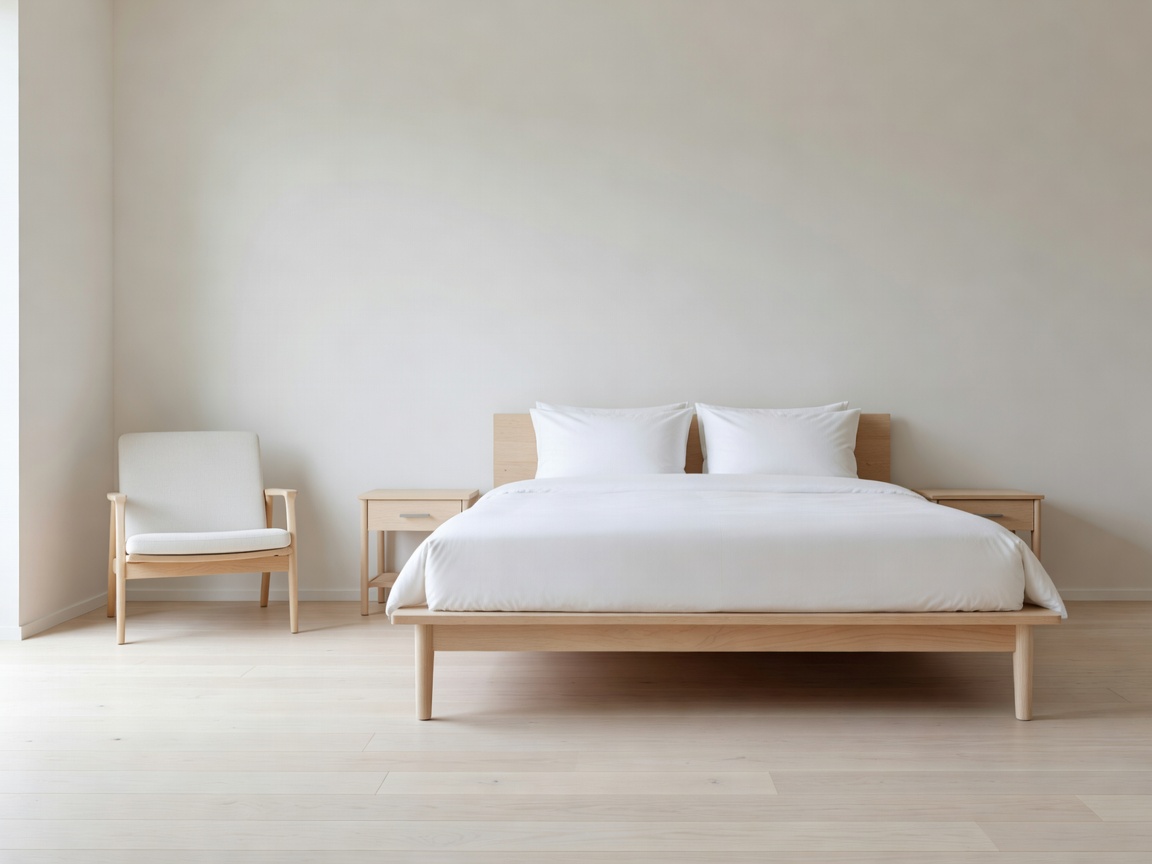
Bright minimal hotel bedroom with pale wooden floor and Scandinavian furniture
Category 04

Boutique Coastal Stays

Smaller properties with a more intimate atmosphere, frequently found in coastal towns, converted village buildings or restored harbour houses.

Learn More
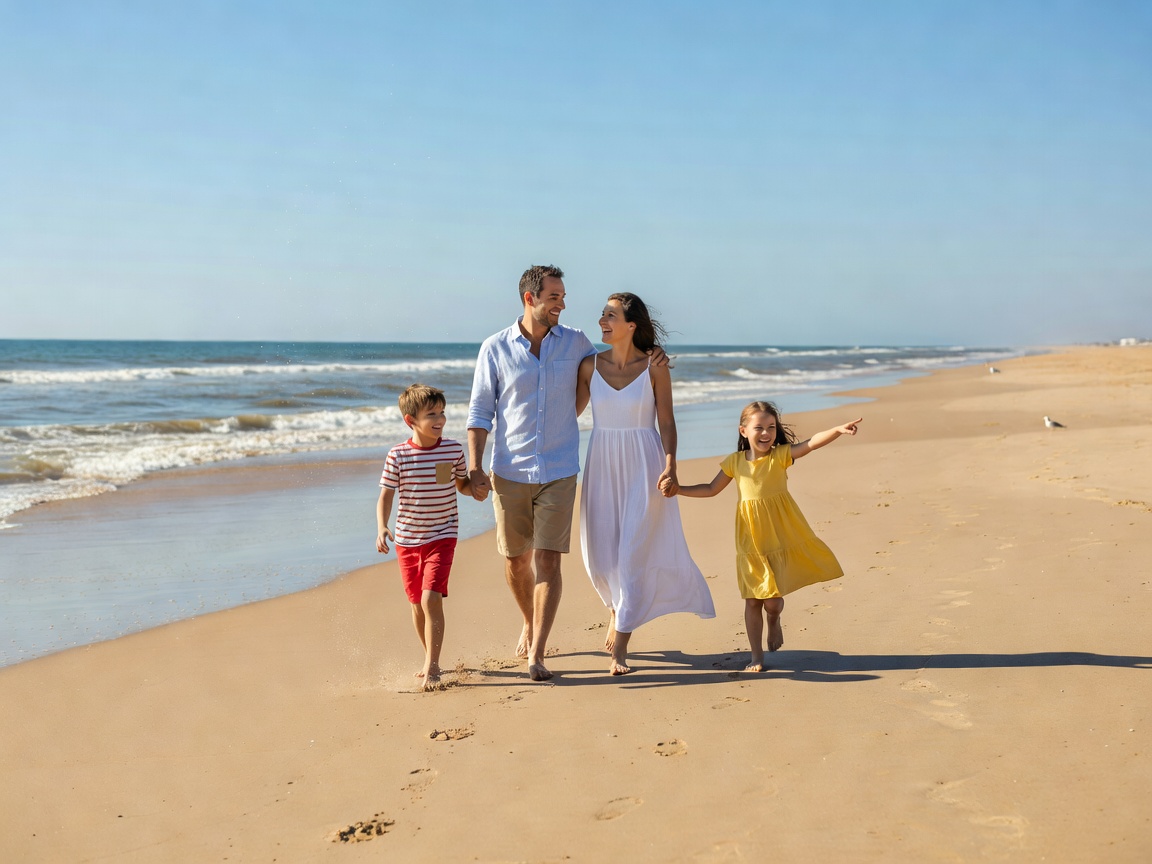
Family walking together along a wide sandy beach on a bright day
Category 05

Family Seaside Hotels

Options that may suit travellers planning a coastal family stay, where shallow water, larger rooms and short walking distances usually matter most.

Learn More
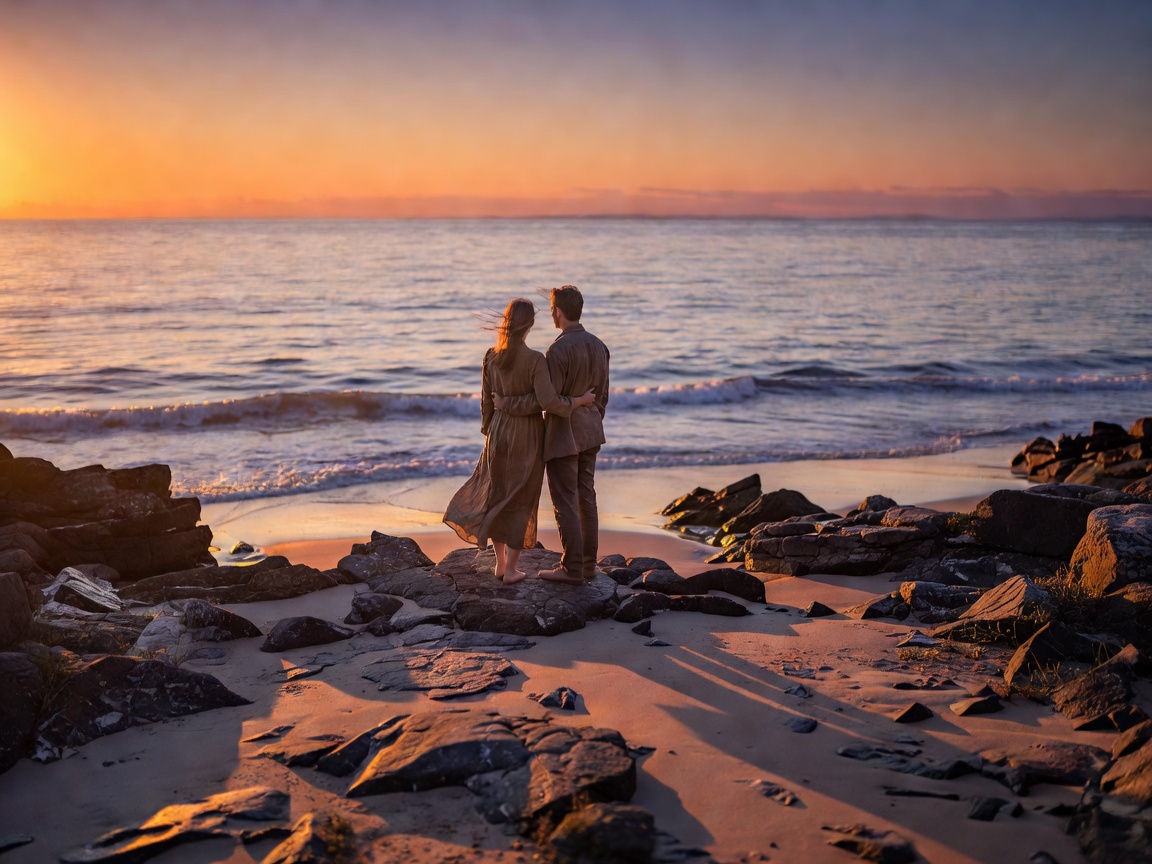
Couple watching the sea from a quiet stretch of coastline in the evening light
Category 06

Romantic Coastal Stays

Seaside accommodation suited to couples: quieter locations, sea-facing rooms where available, and evening walks that end where the light does.

Learn More
Coastal destinations

Where to look along the Danish coast

Five distinct coastal regions, each with its own shoreline character, travel logistics and accommodation patterns.

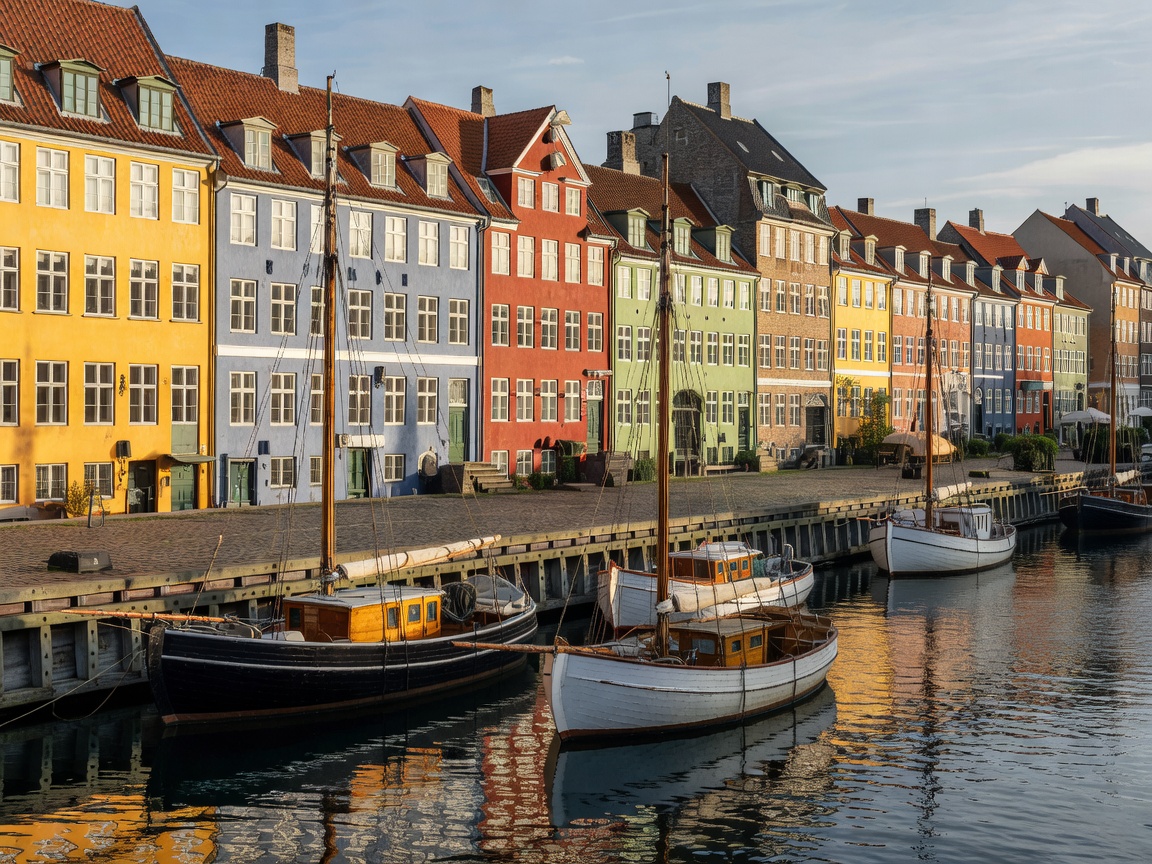
Historic Copenhagen harbour front with colourful townhouses and moored wooden boats
Zealand · Capital Region

Copenhagen & Coastal Area

A capital built around water, with harbour baths, a working waterfront and beach areas within reach of the city by train, bus or bicycle.

Learn More
Open northern coastline with waves and broad sandy beach seen from above
Zealand · North

North Zealand Seaside

The Kattegat coast north of Copenhagen: long beaches, historic bathing towns, fishing harbours and a shoreline that has drawn summer visitors for generations.

Learn More
Quiet bay with shallow water and low coastline at golden hour
Zealand · West

West Zealand Coastal

Sheltered bays, fjord shorelines and shallow swimming water, with small coastal towns and a quieter pace than the northern beaches.

Learn More
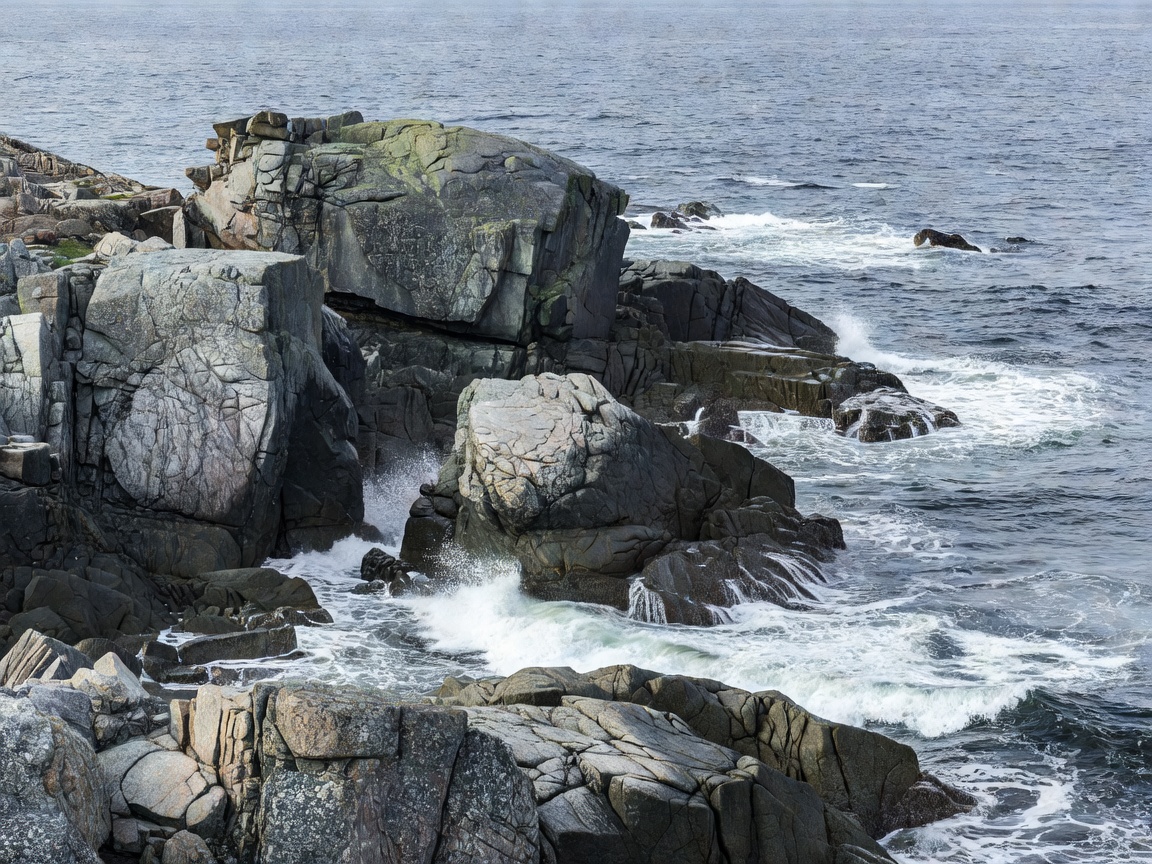
Rocky coastline with granite outcrops meeting the Baltic Sea
Baltic Sea · Island

Bornholm Seaside

Denmark's Baltic island, where granite cliffs, fishing villages and one of the country's most famous white-sand beaches sit within a short drive of each other.

Learn More
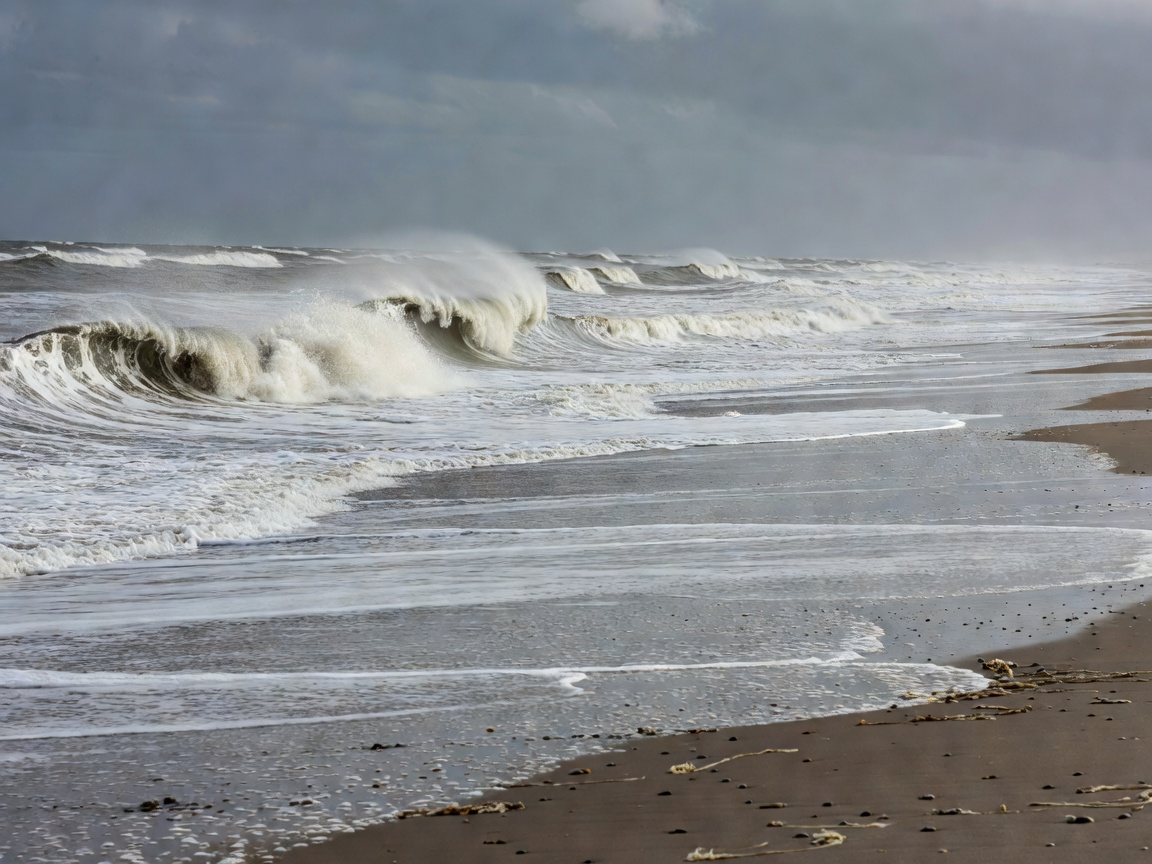
North Sea waves rolling onto a wide exposed beach
Jutland · Mainland

Jutland Coastal Stays

From the North Sea's wind-shaped dunes to the calmer Kattegat and fjord towns of the east — the most varied coastline in the country.

Learn More
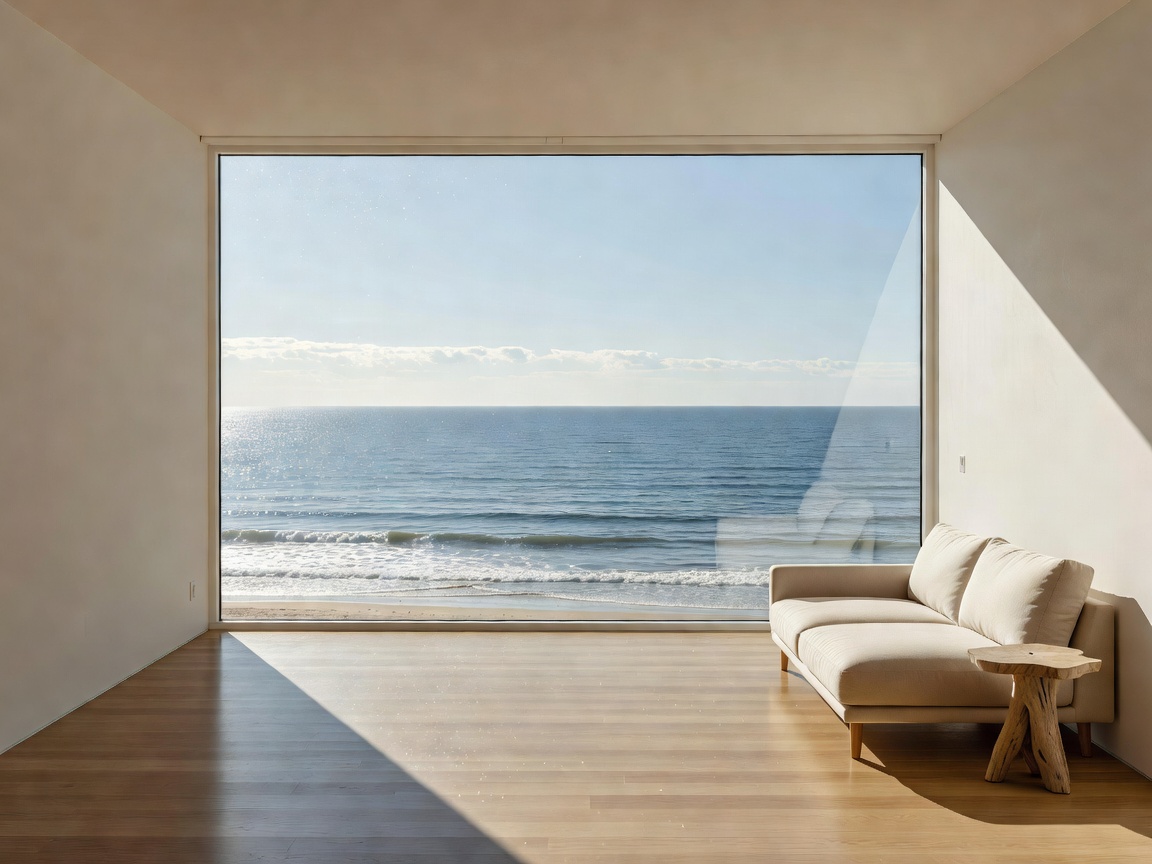
View of the sea through a large hotel room window with a light interior
Compare regions

All Coastal Destinations

An overview page comparing the five regions side by side: shoreline character, travel time, seasonality and the kind of stay each area supports.

Learn More
Hotel location guide

How close is “close to the sea”?

Descriptions vary between booking platforms. These five location bands are the practical way to interpret them.

Direct beachfront

The property borders the beach itself. You can normally reach sand without crossing a main road, and the shoreline is part of the property's immediate surroundings.

Waterfront

The property faces water — a harbour, canal, inlet or fjord — but that water is not necessarily a bathing beach. Views and atmosphere are coastal; swimming may require a short trip.

Short walk to the beach

Typically a few hundred metres on foot, often through a town, dune path or residential area. Convenient, but worth checking the route rather than the straight-line distance.

Nearby coastal area

The property is in a coastal municipality with beaches reachable by a short drive, bus or cycle ride. Common inland from popular shorelines, where accommodation choice is wider.

Coastal town centre

Central in a seaside town, close to harbour, shops and restaurants. The sea is part of daily life, though your window may face a street rather than the water.

Travel ideas

Six ways to plan a Danish coastal trip

Editorial planning ideas — not packages, offers or bookable products.

Calm open sea seen from a low shoreline on a bright weekend morning
Two nights

Weekend by the Sea

A short coastal reset built around one location, minimal driving and long walks between meals.

Learn More
Dune landscape leading down to a broad Danish style sandy beach
Summer

Danish Beach Escape

Planning a trip around sand, swimming conditions and the long light of the Nordic summer.

Learn More
Family with children walking along the water line on a sandy shore
Families

Coastal Family Break

Shallow water, short distances and room layouts that work when you are travelling with children.

Learn More
Two people watching the sunset over the sea from a quiet beach
Couples

Romantic Seaside Stay

Quieter shorelines, sea-facing rooms where available, and an itinerary with very little in it.

Learn More
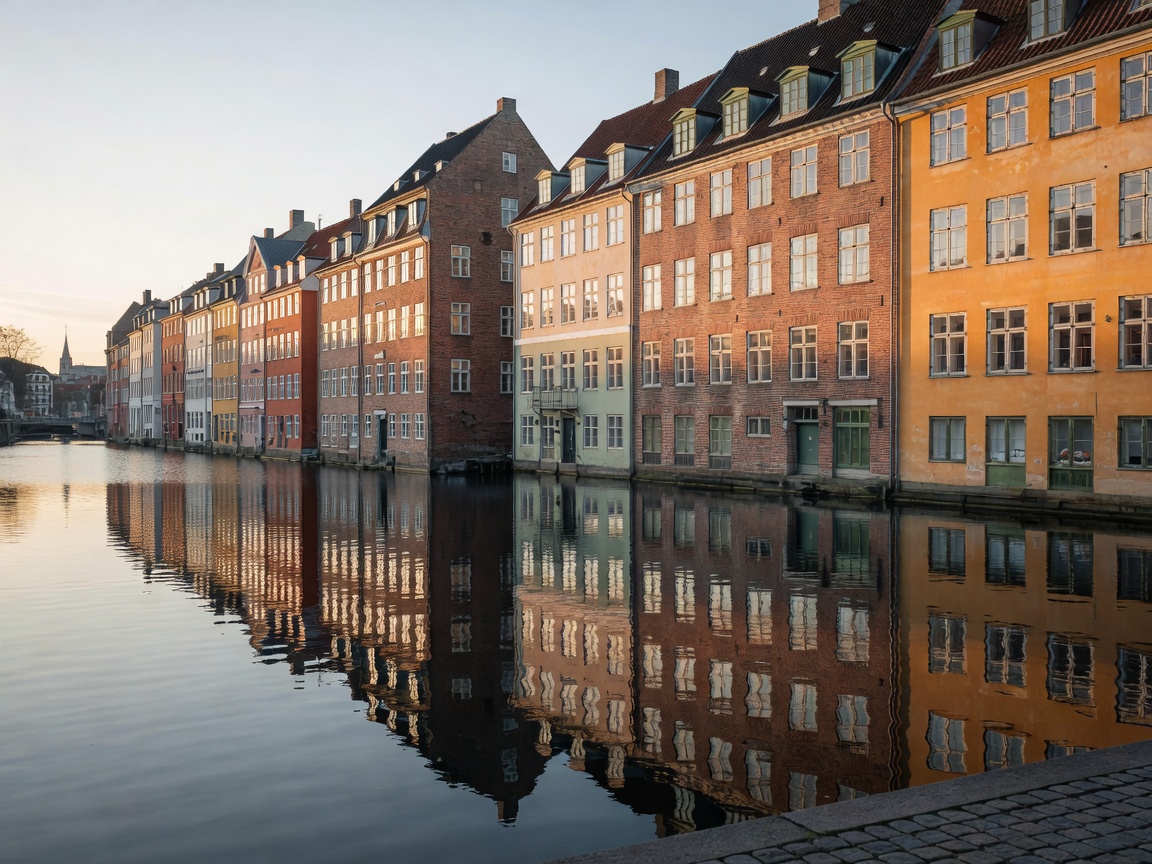
Waterside city buildings reflected in a calm urban canal in Copenhagen
City & water

Waterfront City Break

Combining urban culture with harbour swimming, waterside walks and quick trips to the coast.

Learn More
Rocky island coastline with clear Baltic water and low cliffs
Islands

Island Coastal Holiday

Ferry timetables, slower days and the particular quiet of staying on a Danish island.

Learn More
Common questions

Seaside hotel basics

In general use, a seaside hotel is one whose location and character are defined by proximity to the coast. There is no single legal definition, so the practical test is the distance and route between the property and the shoreline, and whether the surroundings are genuinely coastal.

Beachfront implies a beach directly at or beside the property. Waterfront means the property faces water of some kind — a harbour, canal, inlet or fjord — which may not include sand or safe swimming. Both can be excellent; they simply suit different trips.

No. Many coastal properties sit behind dune belts, roads, railway lines or private land. If direct access matters to you, confirm it with the property before booking rather than assuming it from a description.

Summer offers the warmest sea and the longest daylight, and is the busiest period. Late spring and early autumn are quieter with variable weather. Winter coastal stays appeal to walkers and storm watchers, though some seasonal facilities in holiday areas operate on reduced schedules.

Planning a stay by the Danish sea?

Tell us the area and travel style you have in mind and we will point you toward the relevant destination guides and location considerations.