Introduction
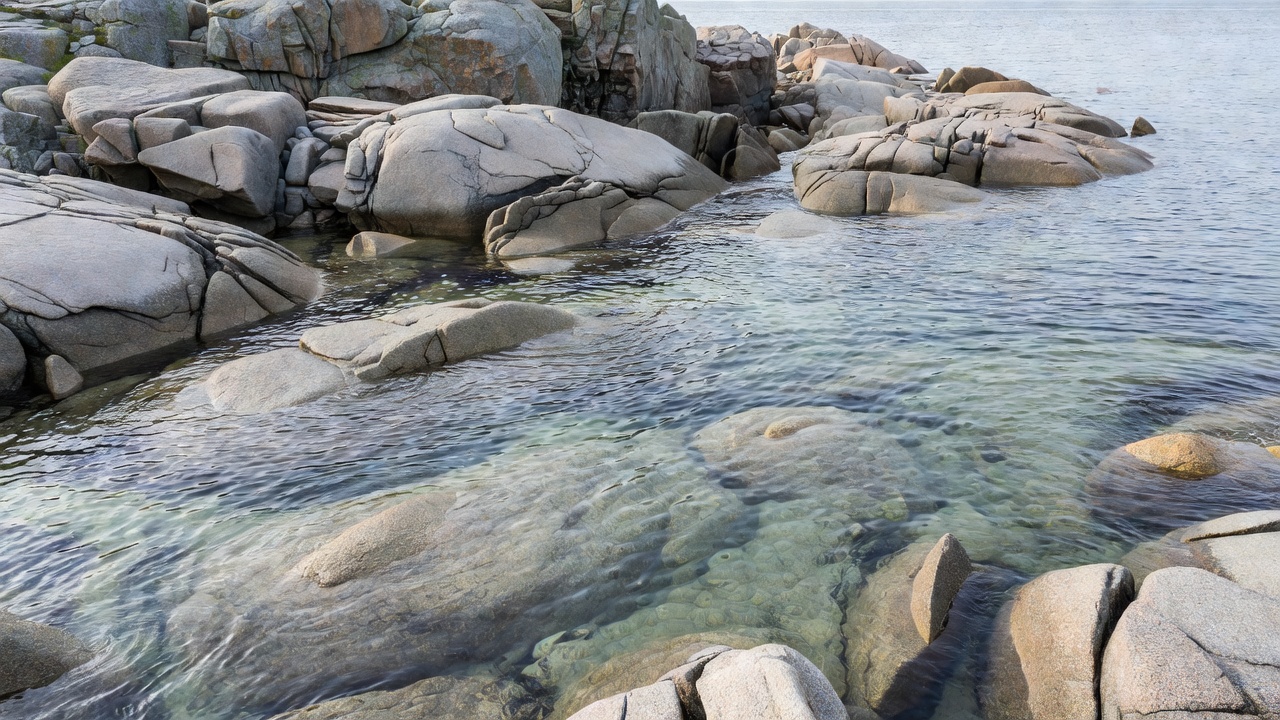
Bornholm sits alone in the Baltic Sea, well east of the rest of Denmark and closer to the Swedish and Polish coasts than to Copenhagen. That isolation has produced an island that looks and feels different from anywhere else in the country. Denmark is generally a landscape of sand, clay and gentle relief; Bornholm is built on granite. The rock reaches the surface across much of the island and forms the cliffs, skerries and hard coastline of the north.
For coastal travellers, the island offers something Denmark otherwise struggles to provide: genuine variety within a short distance. You can spend the morning walking a rocky northern shore beneath cliffs and the afternoon on one of northern Europe's broadest white-sand beaches in the south, having driven or cycled for less than an hour between them.
Coastal character
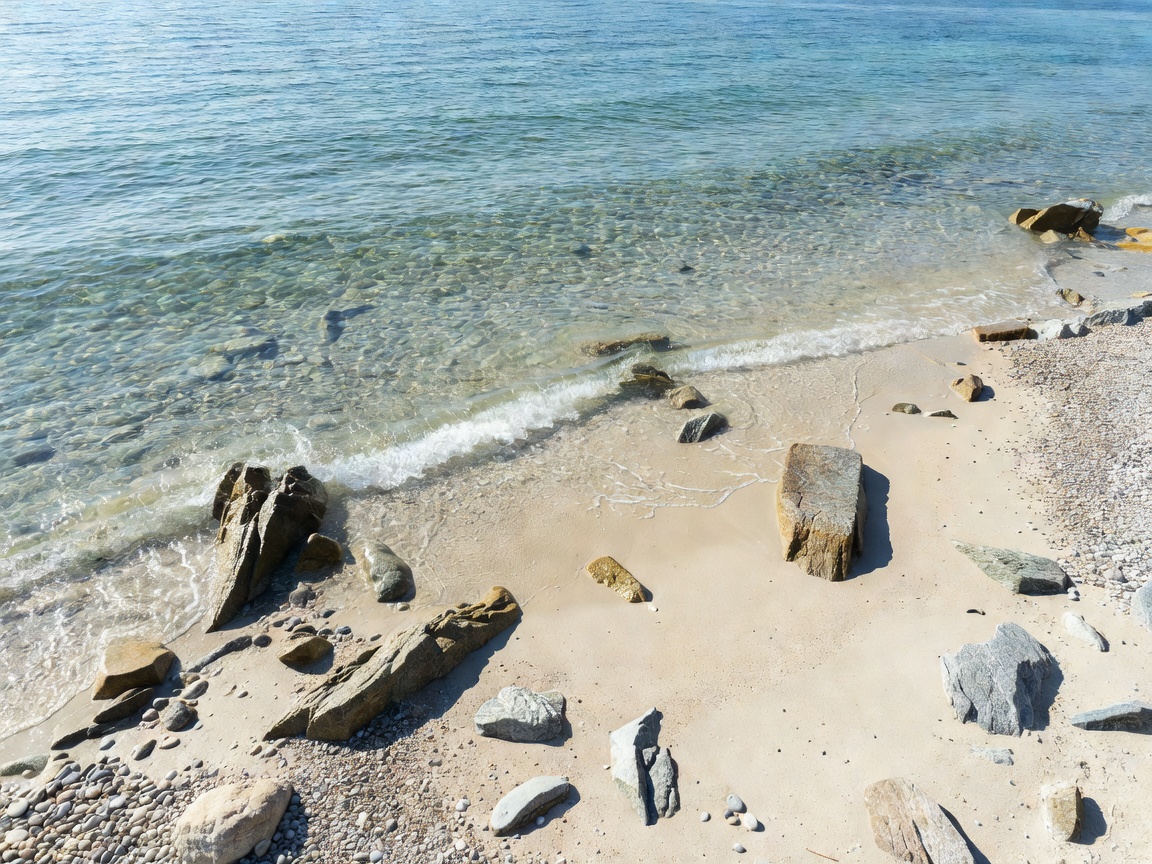
The island's coast divides roughly into three characters. The north and north-west are rocky: granite slabs, small coves, cliffs and dramatic sea views, with harbours cut into the stone. The east coast mixes rock and small sandy bays, with fishing villages that have become well known for their smokehouses and craft workshops. The south is entirely different — a broad belt of fine white sand backed by dunes and pine, where the water shelves gently and warms comparatively quickly in summer.
Because Bornholm lies in the Baltic, the water is less saline than the North Sea and, in sheltered spots, notably clear. Sunshine hours on the island are frequently among the highest recorded in Denmark, which is a significant part of its summer reputation.
Types of accommodation
- Town and harbour properties in the island's main coastal settlements, within walking distance of the water.
- Seaside hotels and guesthouses, including properties in the traditional bathing areas of the south coast.
- Holiday houses and cottages, widely used for week-long summer stays.
- Campsites and holiday centres, usually seasonal, several close to the southern beaches.
- Smaller rural and village stays a short distance inland, common across the island.
Bornholm's accommodation stock is finite and summer demand is high. Booking well in advance for July and August is normal practice. As elsewhere on this site, we do not publish prices, facilities or availability for individual properties.
Beach and waterfront considerations
The southern beaches are the island's main swimming resource: wide, sandy and shallow over a long distance, which is why they are popular with families. Elsewhere, the rocky coast offers spectacular scenery and swimming from stone in calm conditions, but entry and exit points require more care and are not suitable for everyone. Harbour swimming is possible in some villages where facilities exist.
A hotel on Bornholm described as coastal may be beside rock rather than sand. Neither is better — but if beach days with children are the purpose of the trip, the south coast is the practical choice, while walkers, photographers and cyclists often prefer the north.
Things to consider when choosing a hotel
- North or south? Rocky scenery and coastal paths, or sand and swimming.
- Getting around. The island has a bus network and outstanding cycling routes; many visitors also bring or rent a car.
- Ferry logistics. Arrival and departure times affect your first and last days.
- Season. Many businesses operate on a summer schedule.
- Length of stay. Because reaching the island takes time, most visitors stay several nights rather than one.
Seasonal considerations
Summer is the island's principal season: warmest sea, longest days, all facilities running and the fullest cultural programme. It is also when the ferry and accommodation are busiest. Late spring and early autumn are rewarding for cycling, walking and food, with fewer visitors and a landscape that is arguably at its best in the low light. Winter is quiet and many seasonal businesses close, but the island remains inhabited and served year round, and the coast in a Baltic storm is memorable.
Nearby activities
Bornholm has an unusually strong food and craft culture for its size, including smokehouses, ceramics and glass workshops, and local producers. Cycling is exceptional: a network of routes crosses the island and follows much of the coast, and distances are manageable in a day. Coastal walking paths run around large sections of the shoreline. The island also contains distinctive historical sites, including medieval round churches and a substantial castle ruin, all of which are well signposted and easy to combine with a coastal itinerary.
Travel planning information
Bornholm is reached by ferry and by air. Ferry services connect the island with Sweden and with Danish ports, and combined bus or train and ferry tickets are commonly used by travellers from Copenhagen. There is also an airport on the island with domestic connections. Timetables and routes change seasonally, so plan with current schedules and book vehicle space early in summer if you are bringing a car.
Once on the island, distances are short. Many visitors deliberately travel without a car, using buses and bicycles, which suits the scale of the place. Because the journey to Bornholm is longer than to mainland Danish coasts, it works best as a stay of several days rather than a weekend detour.
Frequently asked questions
Its granite geology gives it a rocky coastline unlike the rest of Denmark, while the southern coast has wide sandy beaches. That contrast, on one small island, is unusual in northern Europe.
Because travel to the island takes time, several nights is typical. That also allows you to experience both the rocky north and the sandy south without rushing.
It is widely used for cycling, with an established route network and modest distances. Terrain in the north is hillier than in the south.
For high summer, early booking of both accommodation and ferry travel is advisable, particularly if you are travelling with a vehicle.