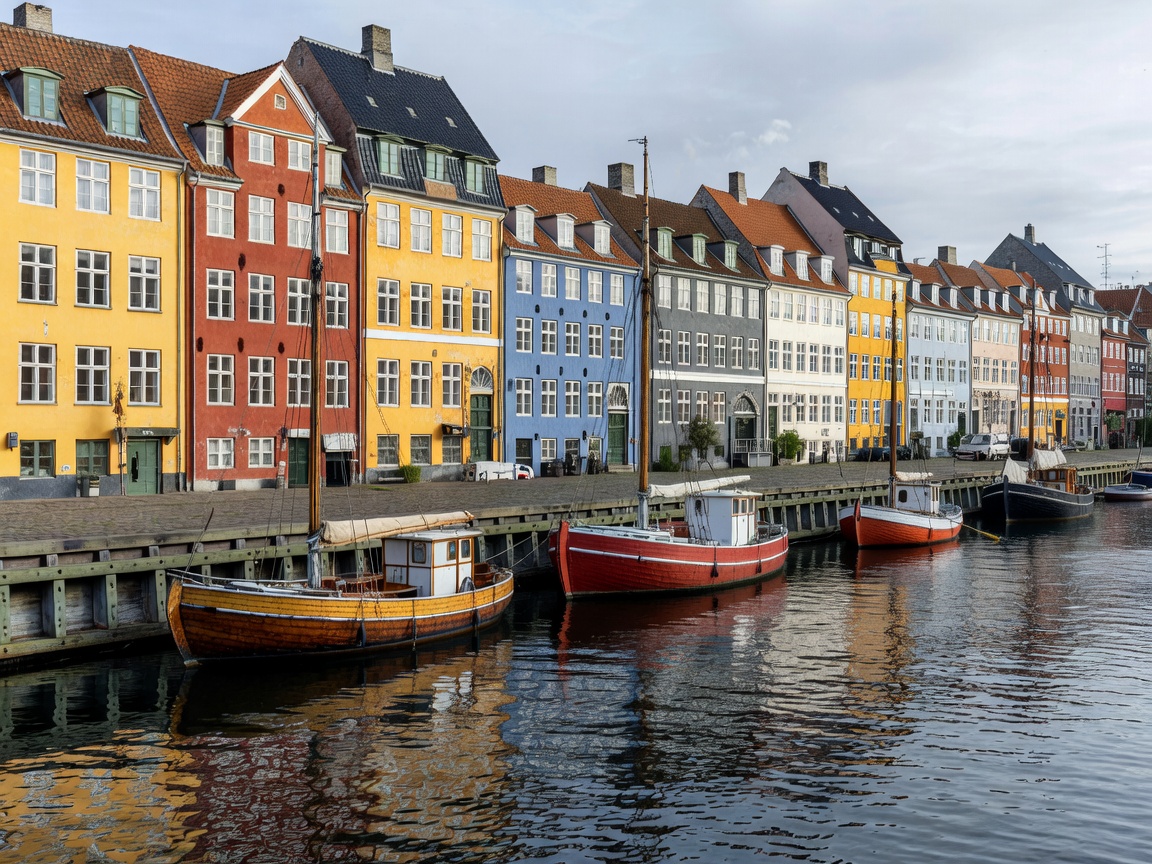
Jetty extending over calm coastal water beside a quiet shoreline at dusk

How Close Is “Close to the Sea”?

Five location bands that explain what coastal accommodation descriptions usually mean — and how to check them before booking.

Why this matters

Descriptions vary; geography does not

Coastal accommodation is described inconsistently across the travel industry. Terms like “seaside”, “beachfront”, “by the sea” and “coastal” are used loosely, and what feels like a small difference in wording can mean a fifteen-minute walk with beach equipment and small children.

The five bands below are our editorial framework for interpreting those descriptions. They are not official categories, and they are not claims about any specific property. Use them as a checklist when you compare options, then verify the actual location on a map before you book.

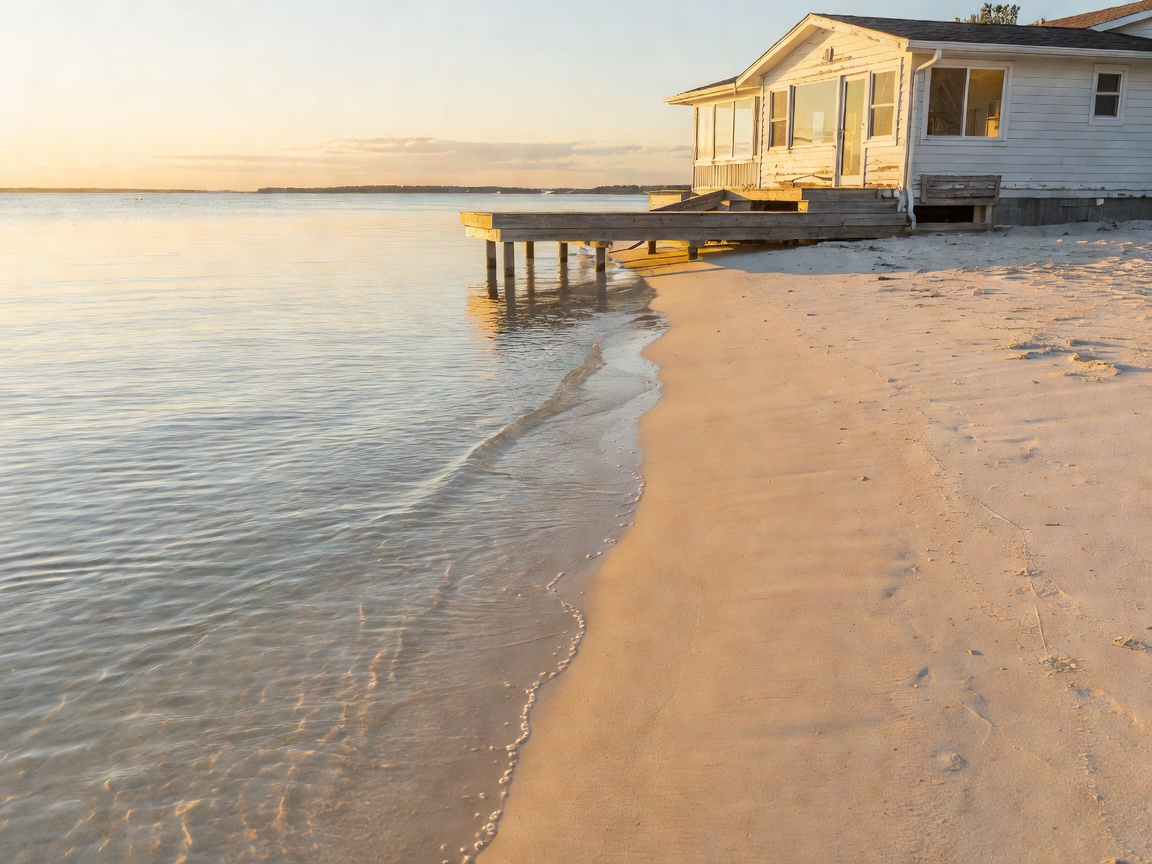
Sand and shallow water immediately in front of a shoreline property
Band 01

Direct beachfront

The property borders the beach. In practice this usually means you can reach sand within a minute or two without crossing a main road.

Check: whether a public road, railway line, cycle path or private land sits between the building and the shore; whether the beach is suitable for swimming or mainly for walking.

Beachfront hotels
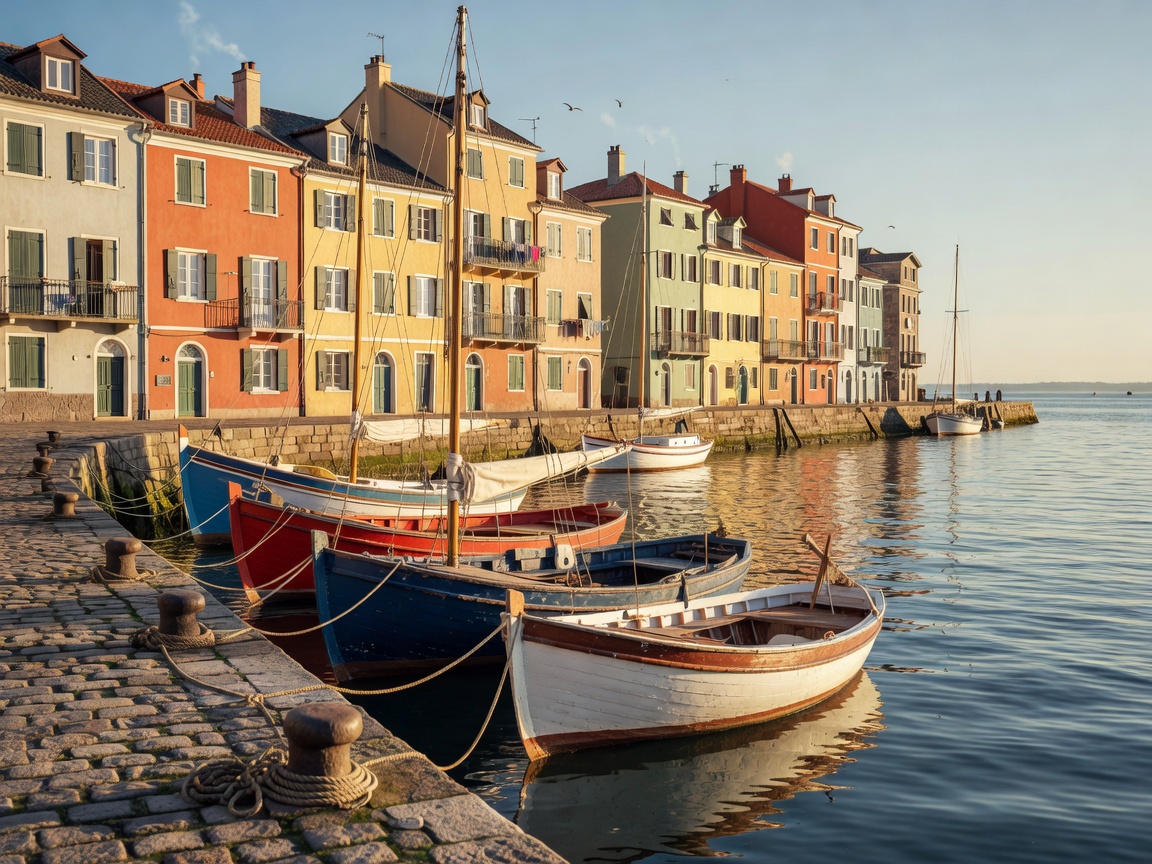

Boats moored along a harbour quay in front of waterside buildings
Band 02

Waterfront

The property faces water — a harbour, canal, inlet or fjord — which may not be a bathing beach. Common in Danish maritime towns and in Copenhagen.

Check: whether swimming is possible nearby and where; whether the view is over open water or a working port.

Waterfront hotels
Path through dune grass leading toward a sandy beach
Band 03

Short walk to the beach

Typically a few hundred metres on foot, often via a town street or a dune path. Perfectly convenient for most travellers.

Check: the walking route rather than the straight-line distance; the surface (soft sand, steps, gravel) if you are carrying equipment.

Beach stay planning
Low green coastline beside a calm bay in soft evening light
Band 04

Nearby coastal area

The property is in a coastal municipality with beaches a short drive, bus ride or cycle away. Choice is usually wider here than directly on the shore.

Check: which beach you would actually use, how you would reach it, and parking availability in summer.

Coastal regions
Colourful harbour-town houses lining a quay in a Danish coastal town
Band 05

Coastal town centre

Central in a seaside town, near harbour, shops and restaurants. The sea is part of daily life, but your window may face a street.

Check: room orientation and noise; distance to the nearest swimming spot; whether facilities operate year round.

Full coastal guide
Sea horizon framed by a large window in a bright hotel room
Related

What “sea view” means

A separate question from location. A room in a beachfront property may face inland, and a town-centre room may have a clear view over the water.

Check: ask about the specific room category, the direction it faces and whether the view is full, partial or angled.

Read the FAQ

How to verify a location before booking

Three simple steps remove almost all uncertainty:

  1. Find the address on a map. Switch to satellite view and look at what sits between the building and the water.
  2. Use the walking-route function rather than judging by eye. A property 200 metres from the sea in a straight line may be an 800-metre walk around a harbour basin.
  3. Ask the property directly. A short message asking “how long is the walk to the nearest swimming beach, and what is the route like?” is usually answered clearly.

A note on honesty

We describe location bands in general terms and do not label any individual hotel as beachfront, waterfront or otherwise. Only the property's actual position can support such a description, and that is something you should confirm at the source.

Location by region — general patterns

Know the location you want?

Move on to the regional guides and see which Danish coastline matches your plans.