Introduction
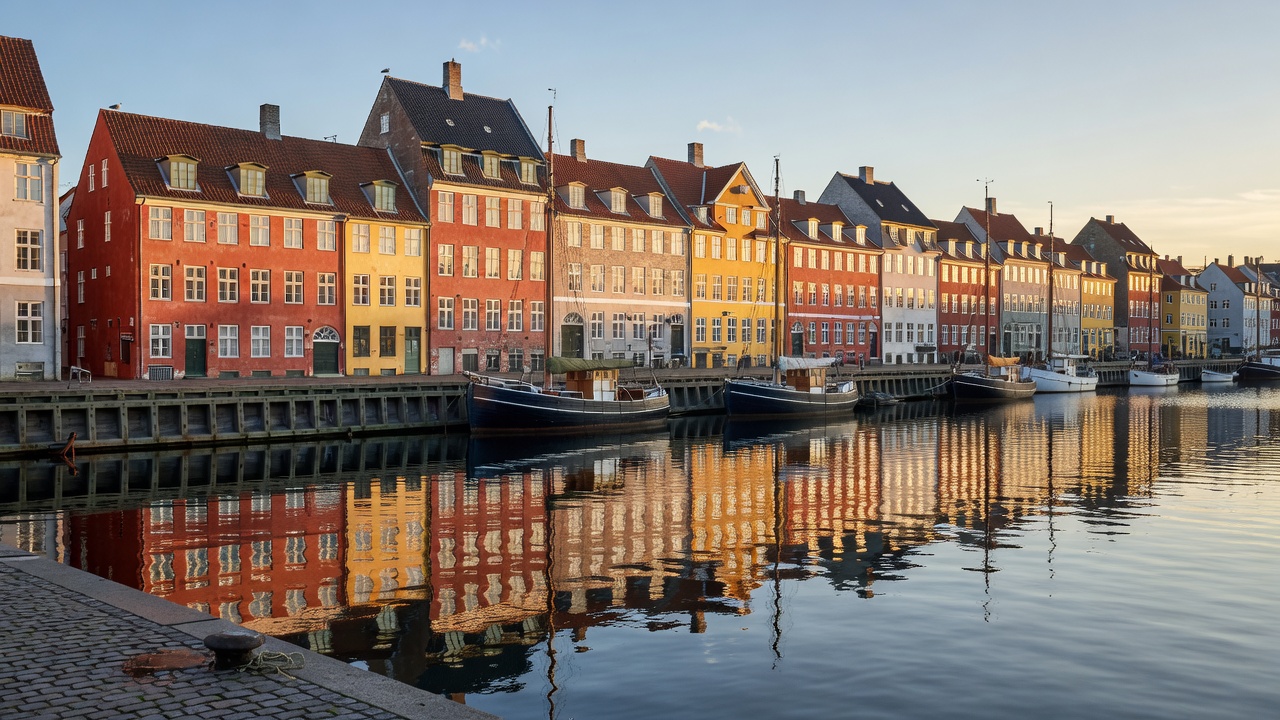
Copenhagen is a harbour city before it is anything else. The Danish capital grew around a sheltered anchorage on the Øresund — the strait separating Denmark from Sweden — and water still runs through the middle of it. In the last two decades that relationship has been rebuilt rather than replaced: former industrial quays have become public promenades, harbour baths have opened in the centre of the city, and the water is clean enough that swimming in the middle of the capital is an ordinary summer activity rather than a novelty.
For travellers looking for a seaside stay, this creates a genuinely unusual proposition. You can base yourself in a city with the full range of urban dining, museums and transport, and still be beside water every day. And if you want sand rather than quaysides, the Øresund coast north and south of the city is close: the beach areas of the Køge Bay coastline — including Ishøj, where this guide is based — and the strand areas north toward Charlottenlund and Klampenborg are reachable by regional train, bus or bicycle.
Coastal character
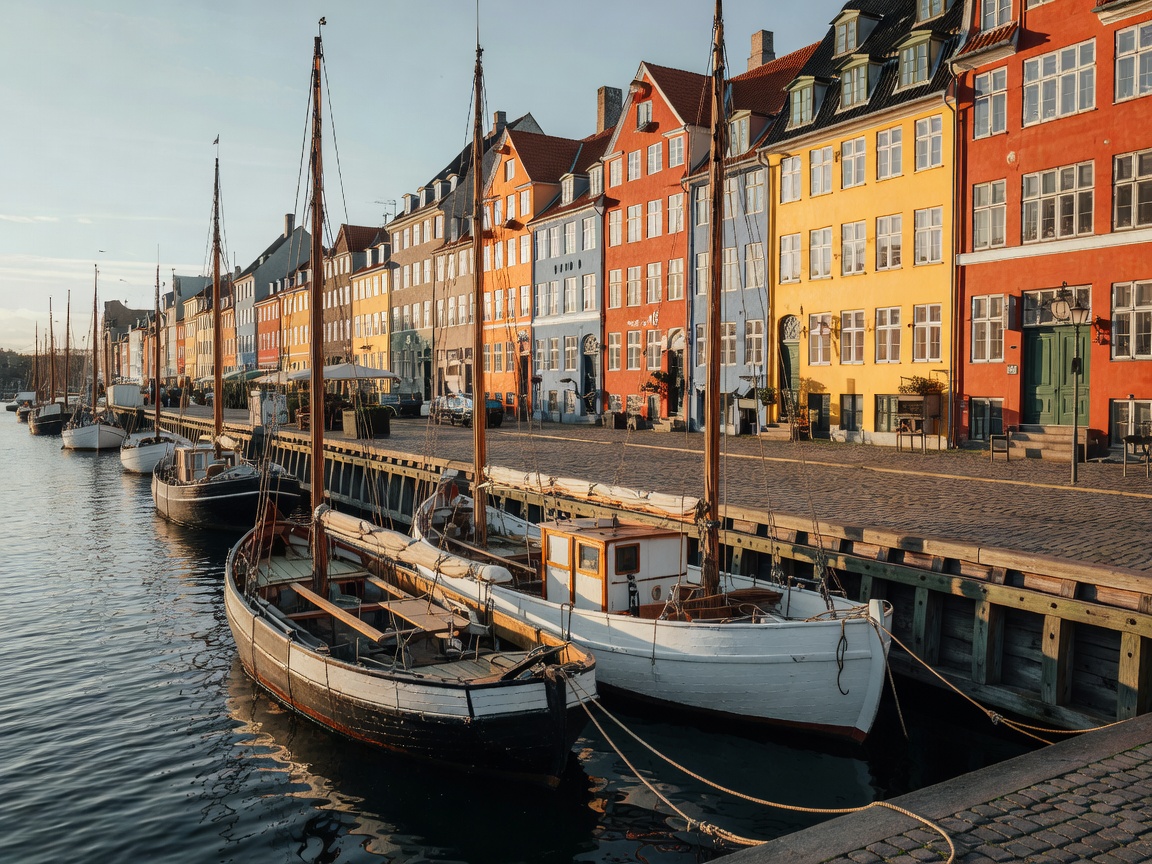
The water around Copenhagen is the Øresund: a busy strait with ferry and shipping traffic, low salinity compared with open ocean, and relatively calm conditions compared with the North Sea. The city shoreline itself is largely built: quays, canal edges, bridges and modern harbour developments. Moving out of the centre, the character changes. To the north, the coast road runs along a shoreline of villas, small marinas and public beach areas backed in places by parkland and woodland. To the south, along Køge Bay, a long stretch of engineered beach park and coastal path was created in the twentieth century, giving the southern suburbs an unusually generous public shoreline.
Because the strait is sheltered, sea conditions are usually moderate. Water temperatures rise through the summer and drop quickly in autumn. Winter brings wind from varying directions, and the harbour front can be genuinely cold and exposed — worth remembering if you plan long waterside walks outside the summer months.
Types of accommodation
The Copenhagen area offers the widest range of accommodation of any Danish coastal region. Broadly, visitors choose between four positions:
- Harbour and canal-side city properties — buildings facing the inner harbour, canals or the newer waterfront districts. Water views and central access, but not beach access.
- Central city properties near the water — a short walk from a quay or harbour bath without directly facing water.
- Coastal suburb properties — north along the Øresund coast or south toward the Køge Bay beach areas, generally quieter and closer to sand.
- Marina and small-harbour locations — near sailing harbours, with a maritime rather than urban atmosphere.
We do not list individual properties or their facilities. Availability, room types and prices should always be checked directly with the property or an official booking channel.
Beach and waterfront considerations
Copenhagen is a waterfront destination first and a beach destination second. Very few central city properties can accurately be described as beachfront. If sand matters to you, look at the coastal suburbs rather than the city centre, and check the specific route between accommodation and shore — a straight-line distance on a map can hide a railway line or a major road.
The city's harbour baths are public swimming facilities with defined opening seasons and supervised periods. They are not part of any hotel, and access arrangements are set by the city, not by accommodation providers. Along the coast, public beaches are exactly that: public, free to use and managed by the municipality. Bathing water quality is monitored publicly during the season, and local signage should always be followed.
Things to consider when choosing a hotel
- What kind of water do you want? Harbour and canal views are a different experience from an open sea horizon.
- Transport. The metro, S-train and bus network makes a car unnecessary in the city and much of the coastal suburb area. Confirm which station or stop is closest.
- Room orientation. In dense urban buildings, a “water view” may be partial or angled. Ask before booking if the view is important.
- Noise. Central harbour districts are lively; quiet is easier to find further along the coast.
- Season. Summer weekends are busy across the whole area, particularly on the beaches.
Seasonal considerations
Summer offers the longest daylight of the year, warm-enough sea for many swimmers and the fullest programme of outdoor life along the water. It is also the busiest period, and accommodation across the capital tends to be in high demand. Late spring and early autumn are pleasant for walking the harbour and coast with fewer people, though the sea will feel cold to most visitors. Winter is short on daylight but the city itself is fully operational year round, which is a real advantage of a capital-based coastal trip compared with seasonal holiday areas.
Nearby activities
Waterside walking and cycling routes run for long distances in both directions from the city centre. Harbour buses operate as part of the public transport system, giving an inexpensive way to see the waterfront from the water. Beach parks along the southern coast include paths, dunes and lagoon areas suitable for family days. To the north, the coast road leads toward the woodland and parkland areas near Klampenborg. Museums, design shops and restaurants are, of course, part of what makes a Copenhagen coastal trip different from a rural one.
Travel planning information
Copenhagen Airport lies to the south-east of the city on Amager, with a direct rail and metro connection to the centre. International trains arrive from Sweden and Germany. Within the region, an integrated ticketing system covers metro, S-trains, regional trains and buses, which makes moving between the city and the coastal suburbs straightforward. Cycling is a practical option for many coastal trips; bicycles can be taken on S-trains subject to the operator's current rules.
If you are combining a city stay with a beach day, plan the beach for the middle of the day and keep evenings in the city — the transport connections make this easy and it avoids peak crowding.
Frequently asked questions
Yes. The coastline both north and south of the city includes residential and suburban areas with accommodation, and the city itself has a substantial waterfront. Whether a property is genuinely beachside depends on the specific address, so always check the location on a map.
The city operates designated public harbour baths where swimming is permitted during defined seasons. Swimming outside marked areas is restricted for safety reasons. Always follow local signage and municipal information.
Generally no. The regional rail, metro and bus network covers the city and much of the surrounding coastline, and cycling infrastructure is extensive.
It is a practical base for Zealand's coastlines, with rail connections north and west. Bornholm and Jutland involve longer journeys by ferry, train or air.