How to choose a seaside hotel
Start with the trip, not the property. A coastal stay in Denmark can be a two-night urban waterfront break, a week in a dune-backed holiday area or an island holiday reached by ferry — and the same hotel will not suit all three. Once you know the purpose of the trip, the choice narrows quickly. Ask yourself three questions in order: which region, which location type, which property.
Region determines the shoreline character and the travel time. Location type determines your daily experience — whether you step onto sand from the door or walk fifteen minutes through a town. Only then does the individual property matter, and at that stage you should be verifying details with the property itself rather than relying on general descriptions.
Beach access considerations
Danish beaches are public. Coastal access is protected in Danish law and, as a rule, you may walk along the shore. That means no hotel “owns” a beach in the way properties do in some countries — but it also means that a property's relationship to the beach is about convenience rather than exclusivity.
- Route, not distance. Check what lies between the property and the shore: a road, a railway, a dune path, private gardens.
- Path surface. Soft sand and steps matter if you are carrying equipment or have mobility needs.
- Facilities. Parking, toilets, kiosks and seasonal supervision vary widely between beaches.
- Protected areas. Dunes are often protected; stay on marked paths.
Waterfront versus beachfront locations
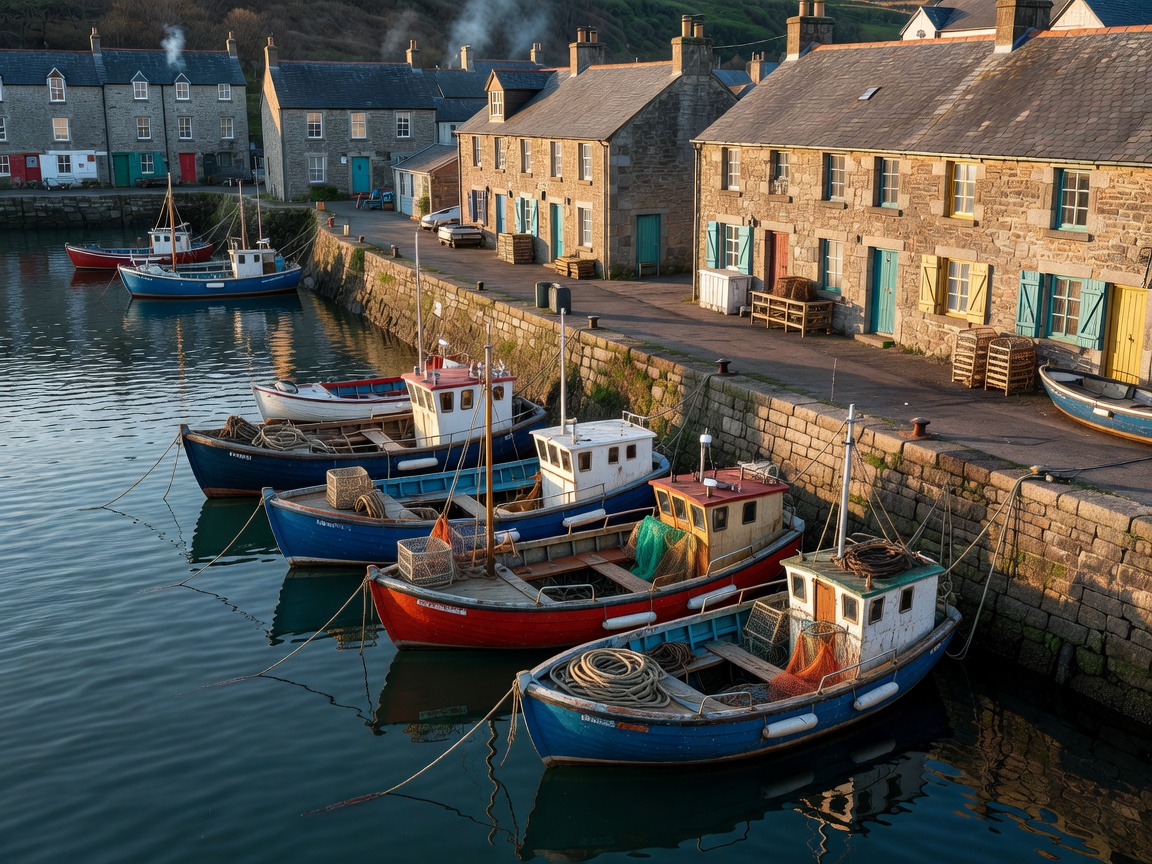
This is the single most common source of misunderstanding. A waterfront property faces water — a harbour, canal, fjord or inlet. A beachfront property is beside a beach. In Denmark, where maritime towns and harbours are everywhere, a large share of “seaside” accommodation is genuinely waterfront rather than beachfront.
Neither is superior. Waterfront locations tend to offer better dining, transport and year-round operation. Beachfront locations offer immediacy of access to sand and, usually, more open horizons. Decide which you actually want before comparing options, and read the full hotel location guide if the distinction is important for your trip.
Transport considerations
Denmark is compact and well connected, but coastal accommodation is not always near a station. Broadly:
- Copenhagen and the Øresund coast — excellent public transport; a car is rarely necessary.
- North Zealand — good rail links to coastal towns; buses or bicycles for beaches beyond.
- West Zealand — trains to main towns, but a car helps considerably.
- Jutland — rail between cities; a car is standard for coastal areas.
- Bornholm — ferry or air to reach, then bus, bicycle or car on the island.
Cycling deserves special mention. Denmark's cycling infrastructure is among the best in the world, and a coastal trip by bicycle is a genuinely practical option along many stretches of the coast.
Seasonal travel
The Danish coastal season is shaped by daylight as much as temperature. In midsummer the days are extremely long, which transforms the experience of being by the sea — evenings stretch on and beaches remain pleasant late. In midwinter daylight is short, and coastal areas can feel dormant.
- June to August — warmest sea, most facilities open, highest demand.
- May and September — quieter, variable weather, excellent for walking and cycling.
- April and October — shoulder months; check opening seasons carefully.
- November to March — storm watching, winter bathing and quiet coasts; many seasonal businesses closed.
Weather considerations
Denmark has a temperate maritime climate: mild for its latitude, changeable, and windier than most visitors expect. Rain arrives in short spells more often than as all-day downpours, and conditions can shift several times in a day. Practical implications for a coastal stay:
- Bring windproof layers in every season, including summer.
- Plan flexible days rather than fixed outdoor schedules.
- Consider whether your accommodation has usable indoor space if the weather turns.
- On exposed coasts, wind direction can determine whether a beach is pleasant or unbearable on a given day.
Room views
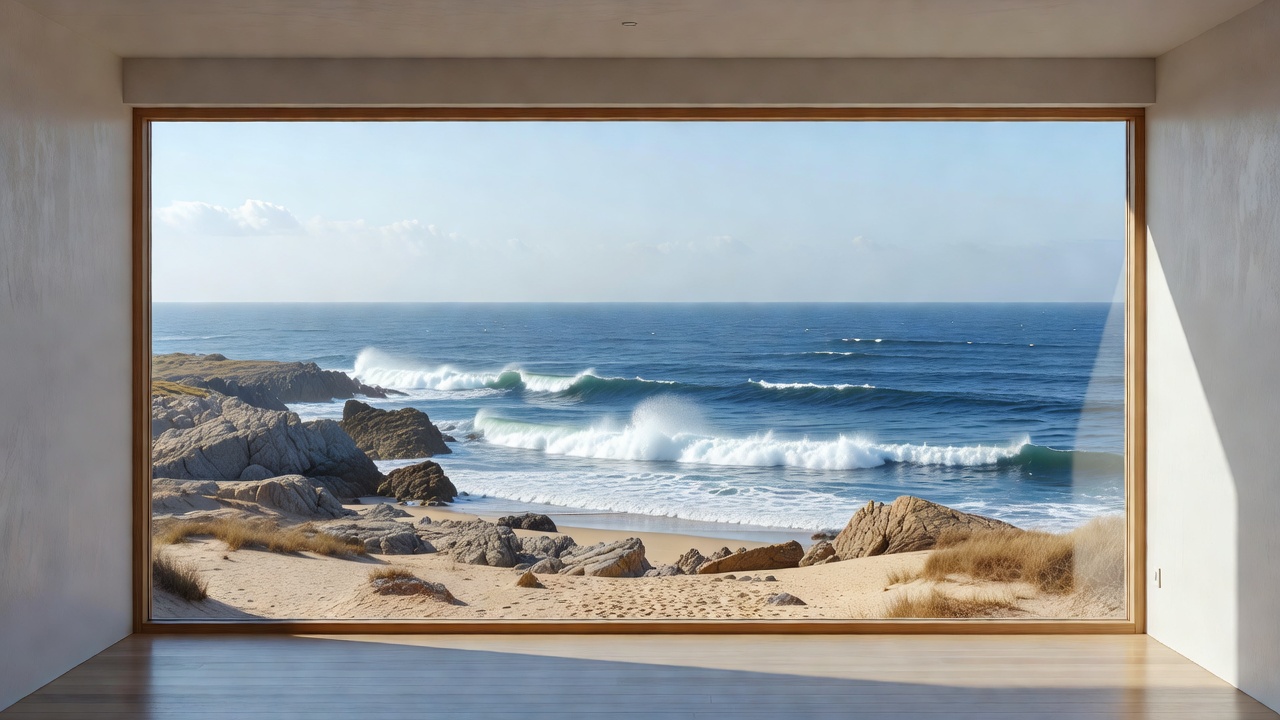
“Sea view” is a descriptive marketing term with no fixed definition. It may mean a full frontal outlook over the water, a side or angled view, a partial view over rooftops, or a distant glimpse. If the view is a primary reason for your booking, ask the property directly what the specific room category looks out on, and consider whether the orientation suits when you will actually be in the room — a west-facing window is worth far more in the evening than an east-facing one.
Dining considerations
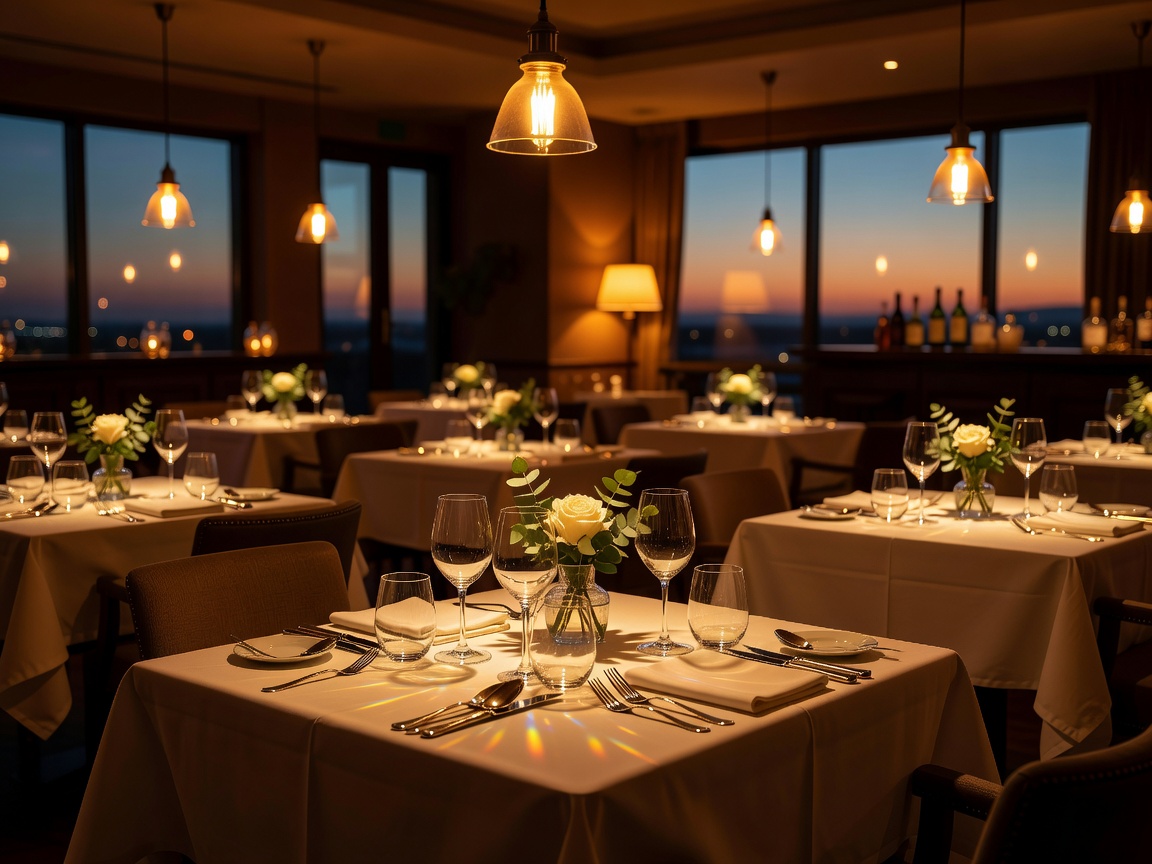
In coastal Denmark, dining is often seasonal. Harbour restaurants, kiosks and beachside cafés in holiday areas may operate only during summer, and even year-round establishments in small towns may close on certain days out of season. Fish and seafood are strongly associated with the coast, particularly around fishing harbours and smokehouse traditions on Bornholm and parts of Jutland.
Check practical points before you travel: whether breakfast is included, whether the property serves evening meals, how far the nearest alternatives are, and whether reservations are advisable in high season. If you are staying in a remote coastal location, plan the first evening's meal in advance.
Accessibility
Accessibility varies enormously between property types. Modern hotels in cities and larger coastal developments are more likely to have lifts, step-free entrances and accessible bathrooms. Historic inns, converted harbour buildings and small guesthouses may not, however charming they are. Beaches present their own considerations: some Danish beaches have boardwalks or matting for wheelchair access, but this is not universal.
If accessibility is a requirement, contact the property directly and describe your specific needs rather than relying on general accessibility labels. Ask about the route from parking or public transport to the entrance, and about the surface and gradient of any path to the water.
Family travel
Denmark is a straightforward destination for family coastal travel: beaches are public and free, many are shallow and sheltered, and facilities in established holiday areas are geared to families. The practical checklist is short but important: distance to the sand, water depth and safety information, room configuration, catering options, and an indoor plan for wet days. School holiday periods increase demand significantly, so book earlier if you must travel in July.
Couple getaways
For couples, the deciding factors are usually quiet, view and pace. Shoulder seasons deliver all three: coastal towns are calmer, light is softer, and smaller properties are less busy. Look at orientation for sunset, walking routes from the door, and whether the surrounding area supports a slow day. Larger holiday complexes are excellent for some trips but rarely for this one.
Weekend coastal stays
The Danish coast is well suited to short trips because distances are modest. A successful coastal weekend usually means one base, no long drives and a deliberately thin plan. Choose a town where you can walk between accommodation, food and water, and accept whatever the weather offers — a windy beach walk in October is as much a Danish coastal experience as a still summer swim.
Before you book: a short checklist
- Confirm the exact location on a map, not just the description
- Check the walking route from property to shore
- Confirm opening season for accommodation and nearby dining
- Ask what the specific room looks out on
- Check transport connections and parking
- Verify accessibility requirements directly with the property