Seaside Hotel Types
Six recognisable styles of Danish coastal accommodation, with the practical differences that matter when you are comparing locations rather than photographs.
Six recognisable styles of Danish coastal accommodation, with the practical differences that matter when you are comparing locations rather than photographs.
Photographs of Danish coastal hotels tend to look similar: pale timber, linen, an open horizon. What actually separates one stay from another is location, orientation and scale. A small harbour property in a working fishing town and a large leisure property behind a dune belt may both be accurately described as “seaside”, yet they produce entirely different holidays.
The six categories below are descriptive rather than official. Use them to narrow your search, then verify the specifics — distance to water, room orientation, facilities and opening season — directly with the property or through an official booking channel. This website does not hold availability, prices or booking information for any hotel.
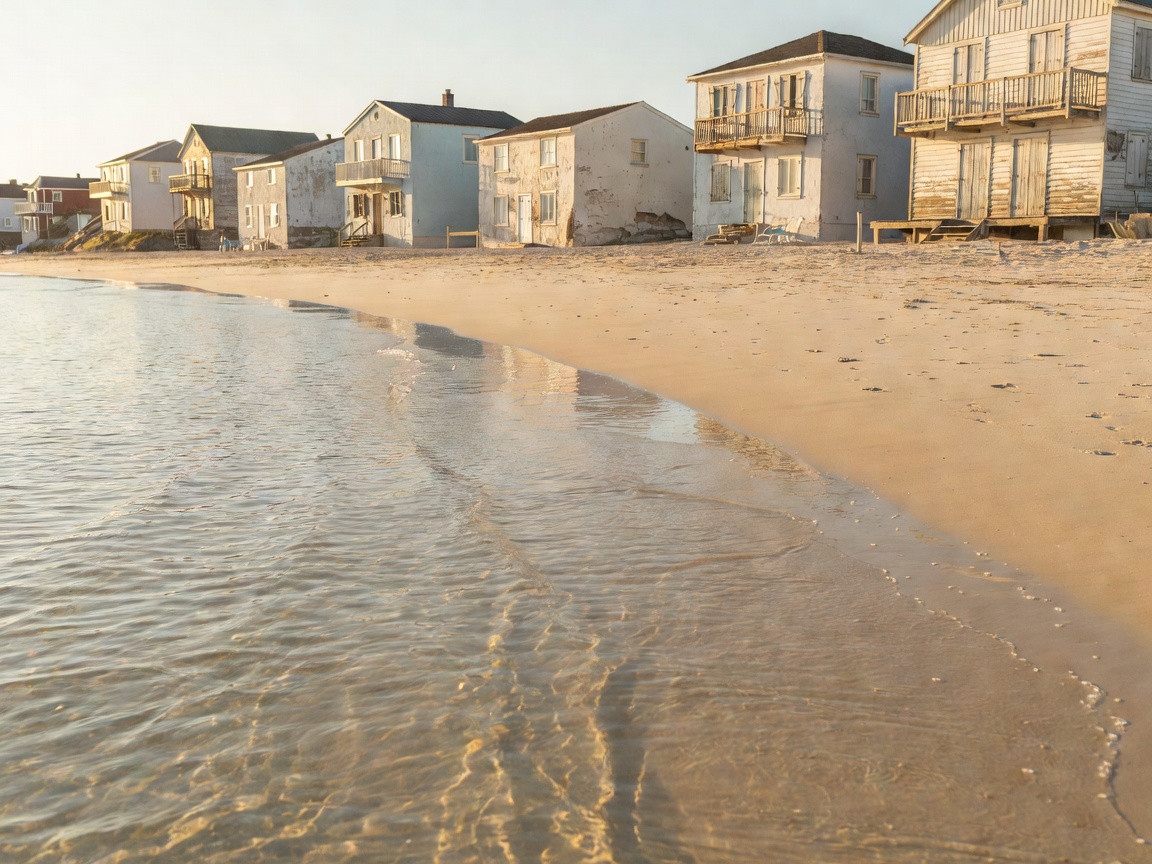
Beachfront describes properties located directly beside, or very close to, a beach. In Denmark this usually means a building set behind a dune line, a promenade or a low sea wall, with a path leading onto the sand.
Points to confirm: whether a public road, railway or private land separates the property from the beach, and whether the beach in question is suitable for swimming or primarily for walking.
Beach stay planning guideWaterfront properties face water that is not necessarily a beach: a harbour basin, a canal, a fjord or a city quay. Denmark has a long tradition of maritime towns, and many waterfront buildings are former warehouses, customs houses or harbour offices that have been converted.
Waterfront stays work particularly well for travellers who want coastal atmosphere combined with urban convenience, and for shoulder-season trips when a beach may be too cold for swimming but the harbour front is still a pleasure to walk.
Compare location types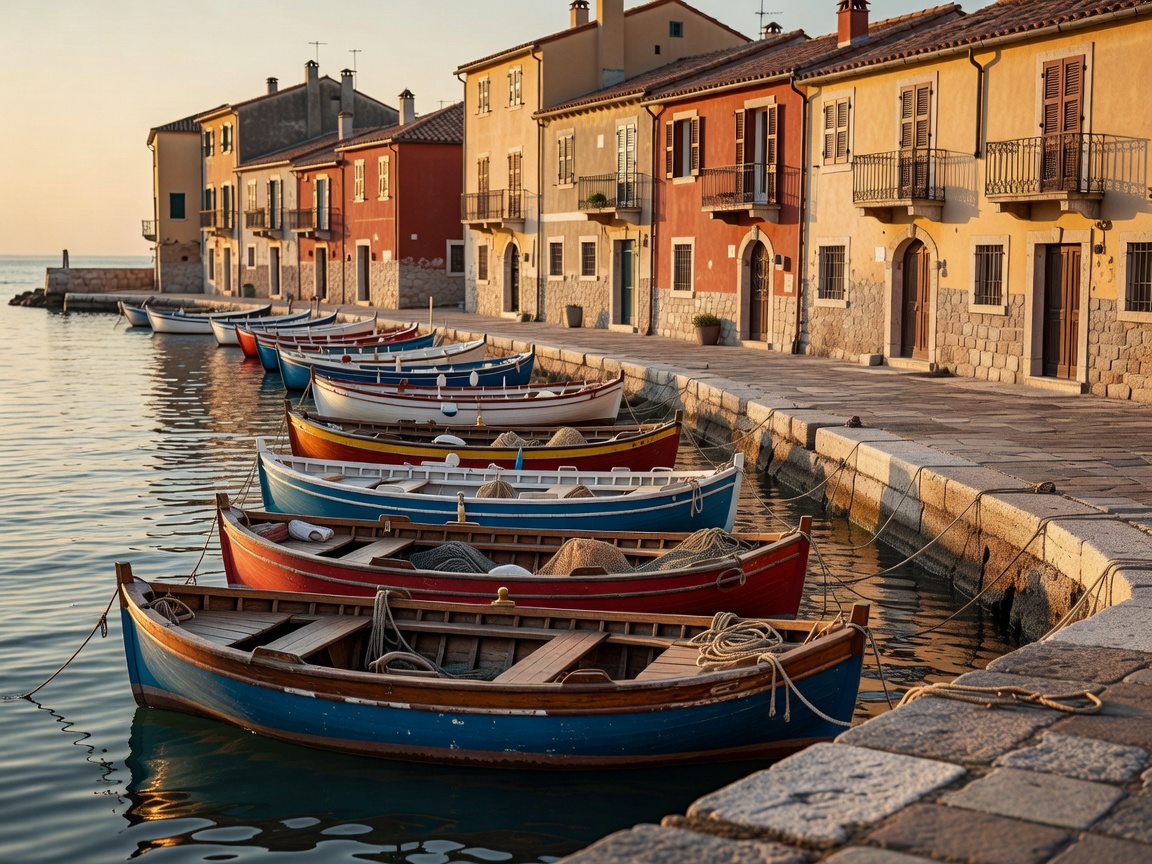
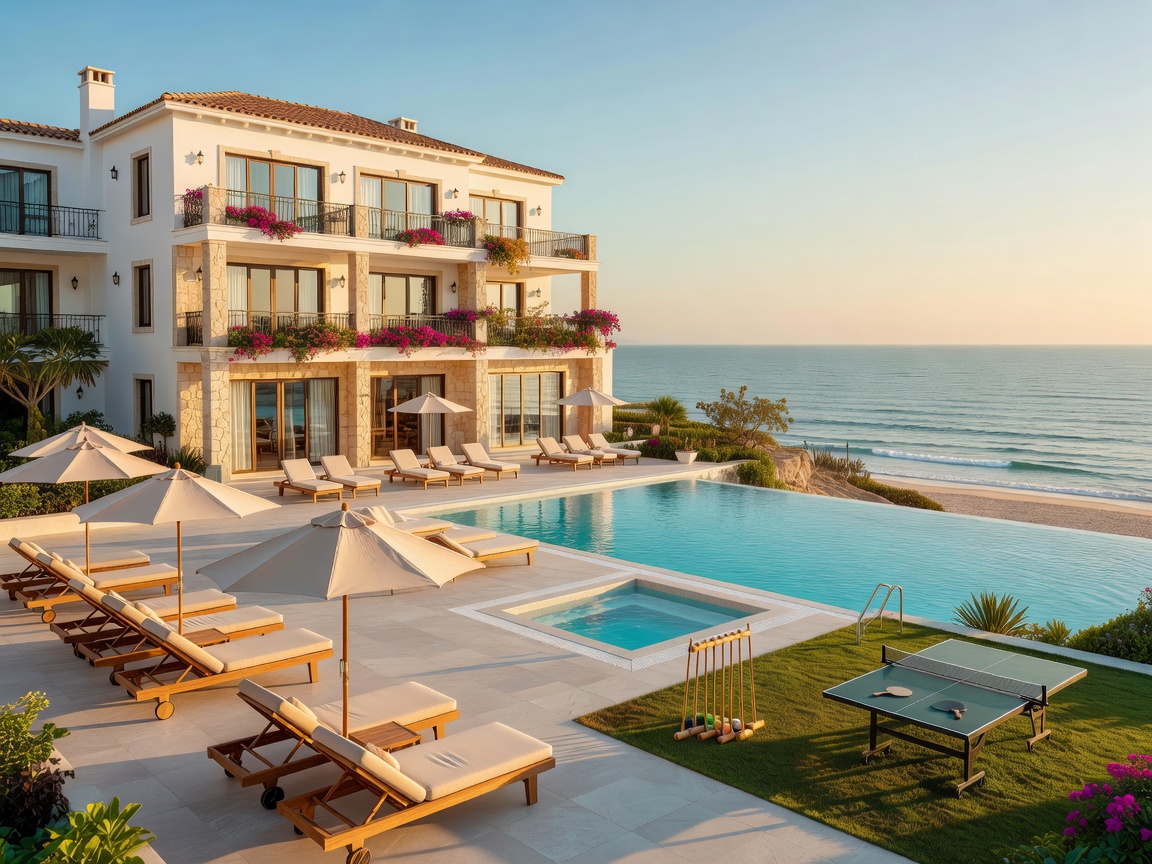
Larger properties associated with coastal leisure. In Denmark these are often found in established holiday areas and may combine accommodation with dining, wellness areas, indoor pools and activity facilities on one site.
Because facilities differ enormously between properties, treat every listed amenity as something to verify. Opening hours for pools, restaurants and activity areas can also change by season.
Seasonal planning adviceSmaller properties with a more intimate atmosphere, typically with a limited number of rooms and a strong design identity. Along the Danish coast they frequently occupy older village buildings, former inns or restored harbour houses.
Boutique stays reward travellers who value atmosphere over amenities. If accessibility, lift access or family room configurations matter to you, ask before booking — historic buildings vary widely.
Find a coastal town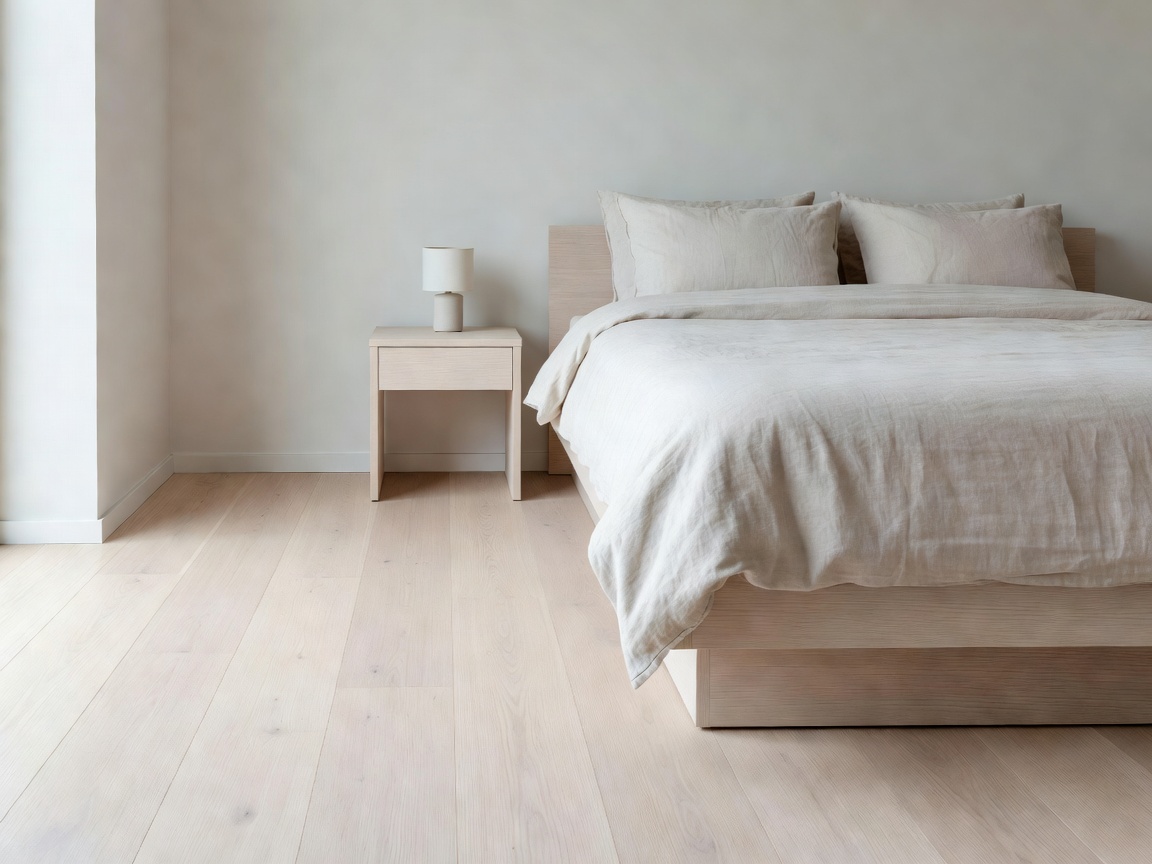
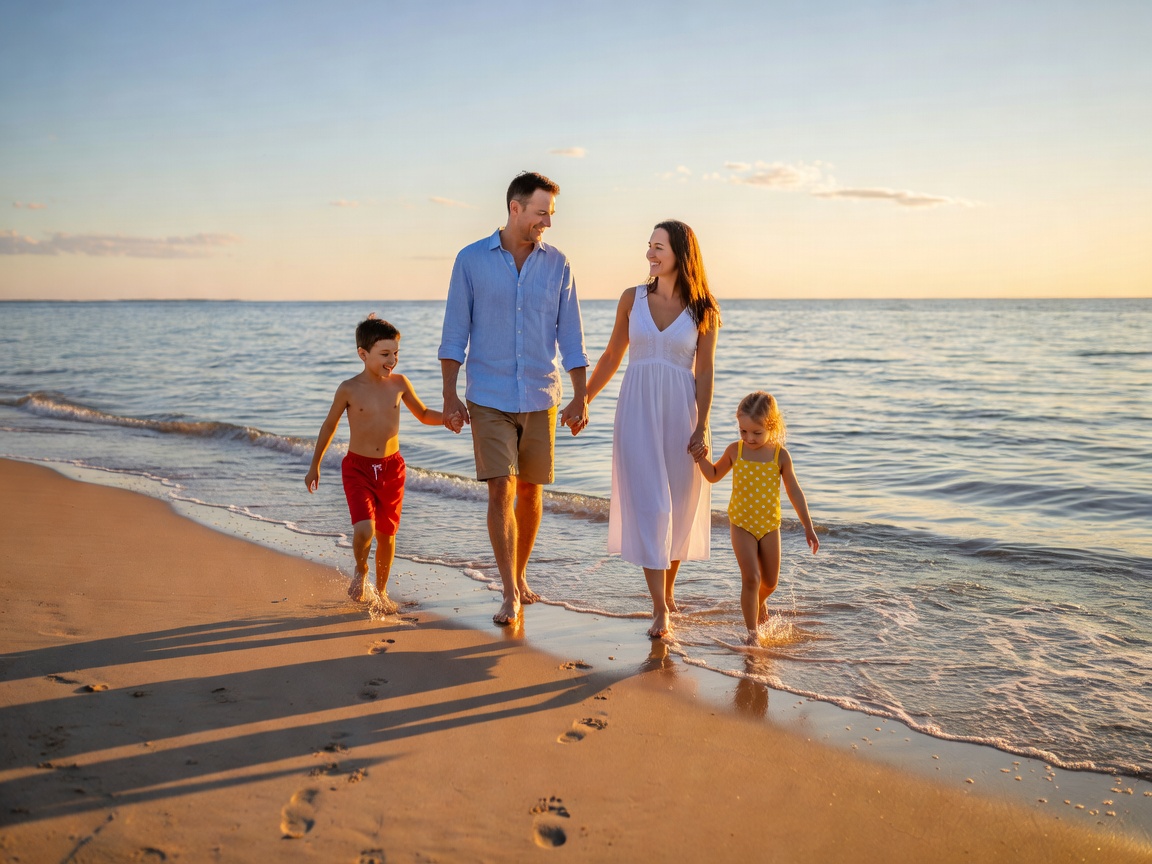
Accommodation options that may suit travellers planning a coastal family stay. In practice, the deciding factors are rarely marketing labels — they are water depth, walking distance and how a room is laid out.
Denmark's Blue Flag programme and municipal bathing-water reporting are useful public sources when assessing beaches. Always follow local signage and lifeguard information where present.
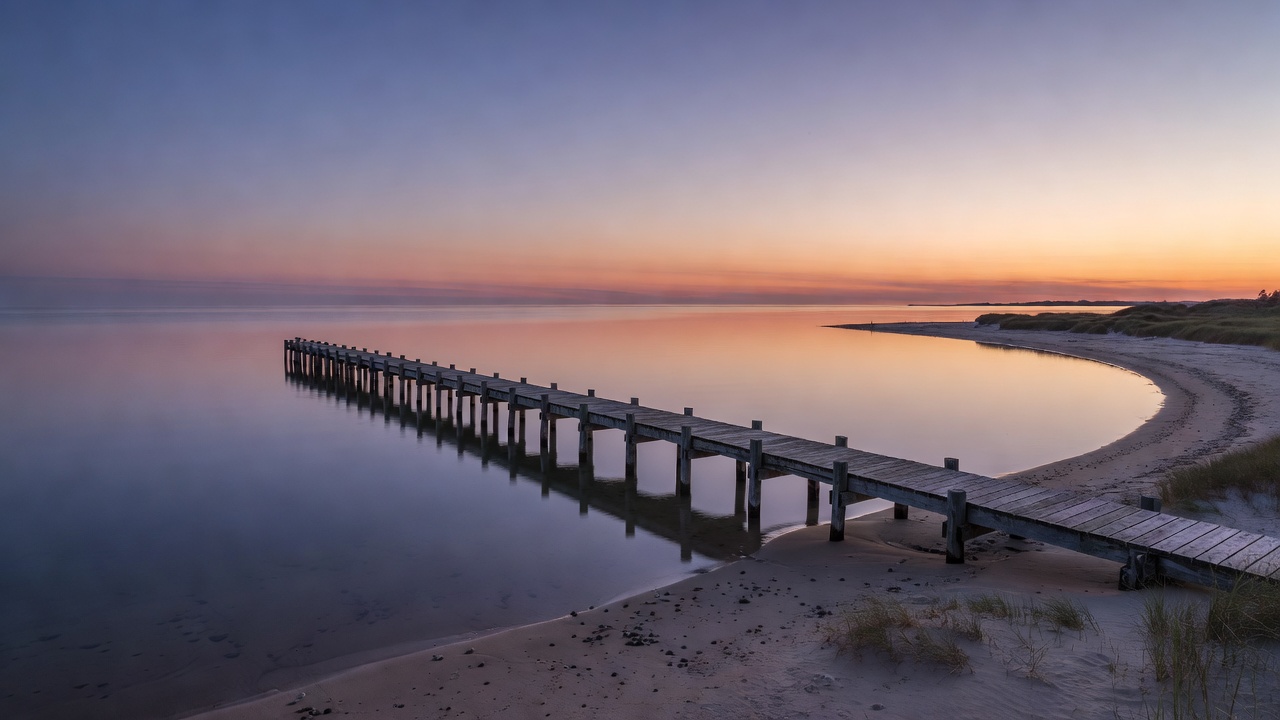
Coastal family break ideasSeaside accommodation chosen for quiet, view and pace. Denmark's coast is well suited to this: sunsets over the Kattegat and the North Sea are long in summer, and out of season many shorelines are almost empty.
Sea view is a descriptive term used inconsistently across the industry. It may mean a full frontal outlook, a partial or angled view, or a distant glimpse. If the view is the reason for the trip, confirm it explicitly.
Romantic seaside planning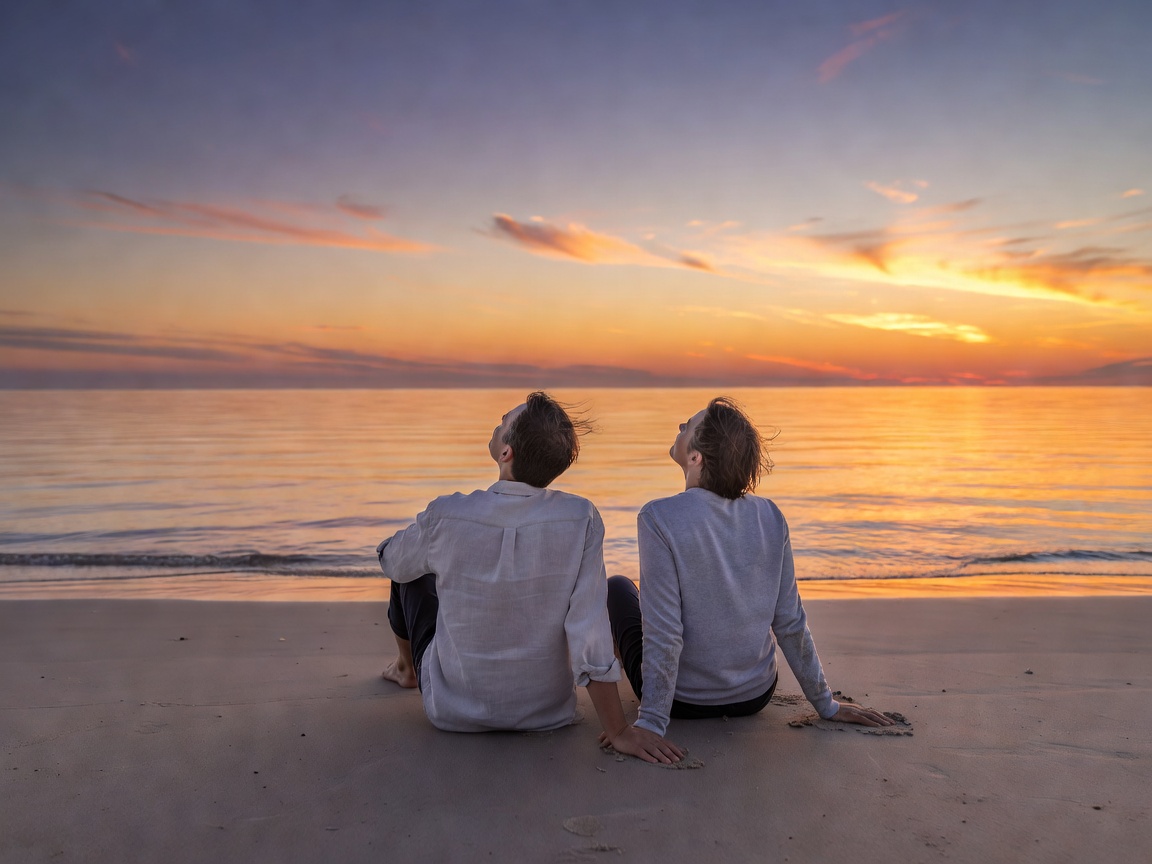
buddyreeljournl.com is an independent editorial guide. We do not publish invented hotel names, addresses, prices, ratings, reviews, facility lists, distances or availability, and we do not confirm bookings. Where we refer to real, well-known geographic places — towns, beaches, islands and regions — we describe them in general terms only.
If you need specific details about an individual property, obtain them from the hotel itself or from an official booking platform. Conditions on the coast change with season and weather, and property facilities change over time.
Once you know the style of stay you want, the region determines the shoreline, the travel time and the season that suits you best.