Introduction
North Zealand is Denmark's classic summer coast. The northern edge of the island faces the Kattegat, and along it runs an almost continuous sequence of sandy beaches, small harbours and towns that have been receiving summer visitors since the nineteenth century, when sea bathing became fashionable and the railway made day trips from Copenhagen possible. Some of that history is still visible in the architecture: white-painted wooden villas, long verandas and the wide, open plots of the early bathing era.
Today the appeal is simpler. This is where many people from the capital go when they want sand, and the coast delivers exactly that: broad beaches, dune grass, clear northern light and a horizon that on clear days includes the Swedish coast across the Kattegat. It is close enough to Copenhagen for a weekend and varied enough for a longer stay.
Coastal character
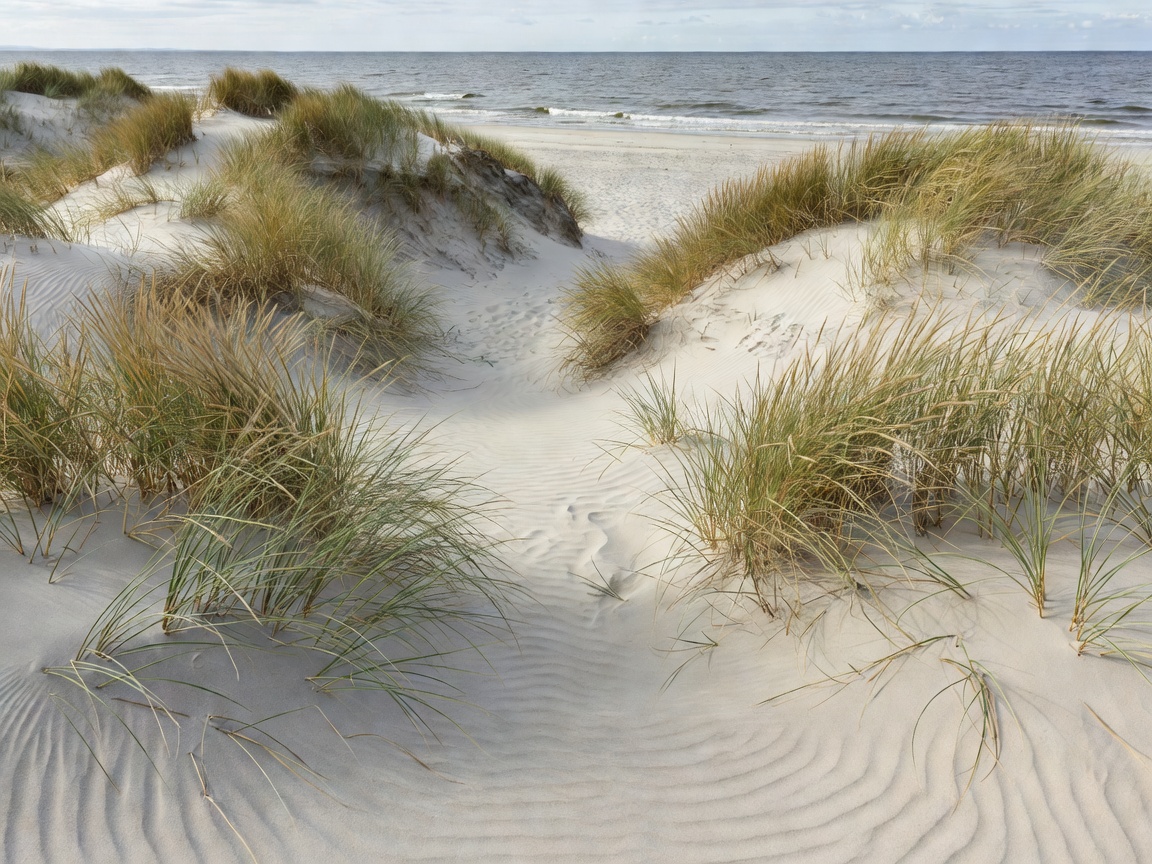
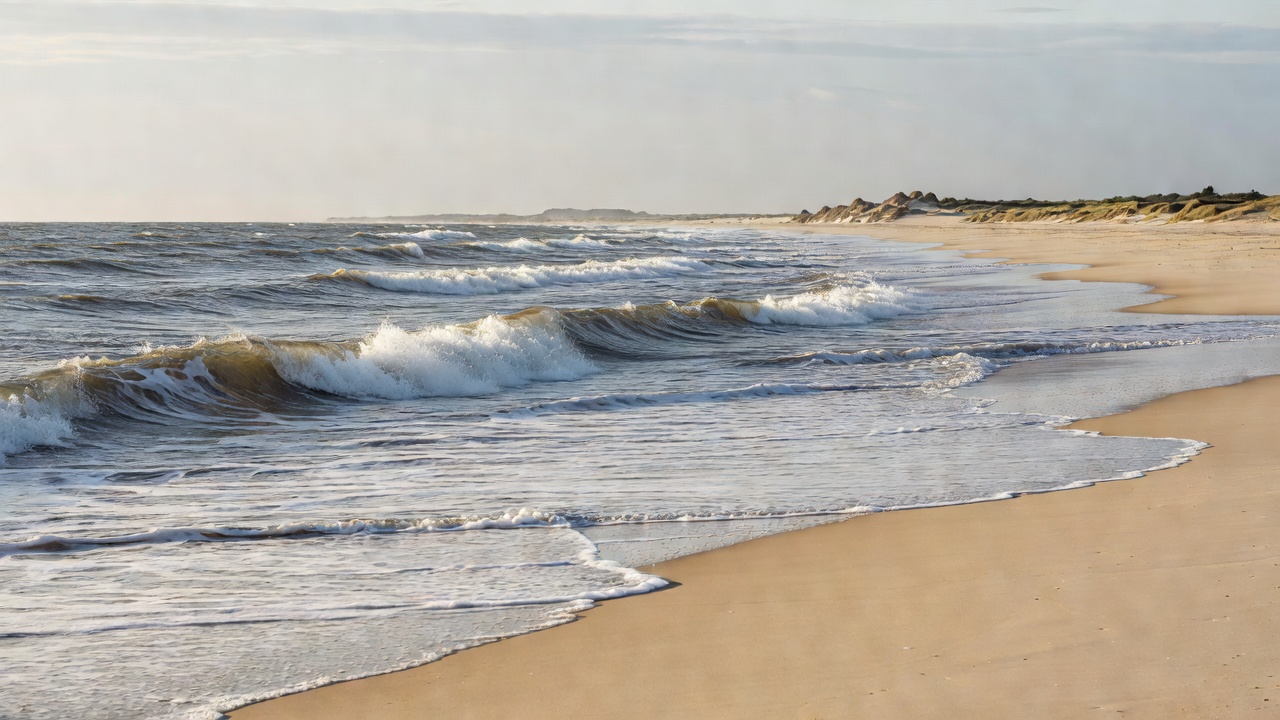
The north-facing shoreline is more exposed than the sheltered Øresund coast further south. Beaches tend to be wide and sandy, backed by low dunes or bluffs, with woodland running close to the shore in several places. Because the coast faces north and north-west, evening light is long and dramatic in summer, and onshore winds can build a real surf on breezy days.
Between the beaches sit harbours: some are working fishing ports, others are primarily leisure marinas, and several are both. The harbour towns are the practical centres of the coast, where you will find restaurants, fish shops, ice cream and the small commercial life that makes a beach holiday comfortable. Between towns, long stretches of coast are quiet even in high summer, particularly outside the middle of the day.
Types of accommodation
The coast supports a broad mixture of accommodation styles:
- Seaside and bathing hotels in the established coastal towns, some in historic buildings dating from the early tourism era.
- Harbour-town properties within walking distance of quays, restaurants and the beach.
- Inns and guesthouses in villages slightly inland from the shore.
- Holiday houses and rented summer homes, a very common form of Danish coastal accommodation, particularly for longer family stays.
- Campsites and holiday centres, many of which operate seasonally.
Because much of the accommodation here is seasonal, opening periods vary. This is one region where checking the operating season before travelling in spring or autumn genuinely matters.
Beach and waterfront considerations
Beaches along this coast are public and generally free to access. Facilities vary from town to town: some beach areas have parking, kiosks, toilets and seasonal lifeguard supervision, while others have nothing but a path through the dunes. Denmark participates in the international Blue Flag scheme, and municipalities publish bathing water information during the season — both are useful when planning with children.
Note that a property described as being on the coast road may still have a road, a cycle path, or a strip of private land between it and the sand. Confirm the actual walking route rather than relying on a description. Dune areas are often protected, and access is generally limited to marked paths.
Things to consider when choosing a hotel
- Town or open coast? A harbour town gives you food and transport on foot; an isolated stretch gives you quiet and requires a car.
- Distance to a specific beach. This coast is long — two properties in the same municipality can be far apart.
- Season and opening hours. Restaurants, kiosks and some accommodation operate seasonally.
- Parking. Beach parking fills quickly on warm summer weekends.
- View orientation. North-facing rooms catch the long evening light in summer.
Seasonal considerations
July and early August are the peak: warmest sea, busiest beaches, most facilities open, and the strongest demand for accommodation. June and late August are often excellent compromises, with long daylight and fewer people. May and September suit walkers and cyclists; the sea will be cold for most swimmers, but the coast is beautiful and quiet. In winter, this becomes a walking and storm-watching coast, with a limited but real selection of year-round accommodation, mainly in the larger towns.
Nearby activities
Coastal walking and cycling are the defining activities, and the region has a well-developed network of routes linking towns, beaches and woodland. Fishing harbours offer fresh seafood and, in several places, boat trips. Inland, North Zealand contains extensive forest and lake landscapes as well as significant cultural sites — the region's castles and museums are well known and provide obvious alternatives on wet days. Kayaking, sea swimming and, increasingly, winter bathing are all popular along this shore.
Travel planning information
North Zealand is well connected to Copenhagen. Regional and local rail lines run north from the capital and along parts of the coast, and buses connect stations to beaches and villages. A car provides the most flexibility, particularly for reaching quieter beaches and for travelling with beach equipment, but a car-free trip is realistic if you base yourself in a town on the rail network.
Journey times from Copenhagen are typically well under two hours, which makes both weekend stays and day trips practical. If you plan to move along the coast during your stay, consider basing yourself in one town rather than changing accommodation — distances are short enough to explore from a single base.
Frequently asked questions
It is a common choice because it combines sandy beaches with easy access from Copenhagen and a good range of towns for food and services.
Many people do. Rail connections make several coastal towns reachable within a comfortable day-trip journey, though staying overnight gives you the early morning and evening on the coast, which is when it is at its best.
Conditions vary along the coast. Some beaches shelve gently and others drop away more quickly, and wind exposure differs. Check local information and signage for the specific beach you plan to use.
Some do, particularly in larger towns, while seasonal properties may close outside the summer months. Always confirm opening periods before booking travel.