Introduction
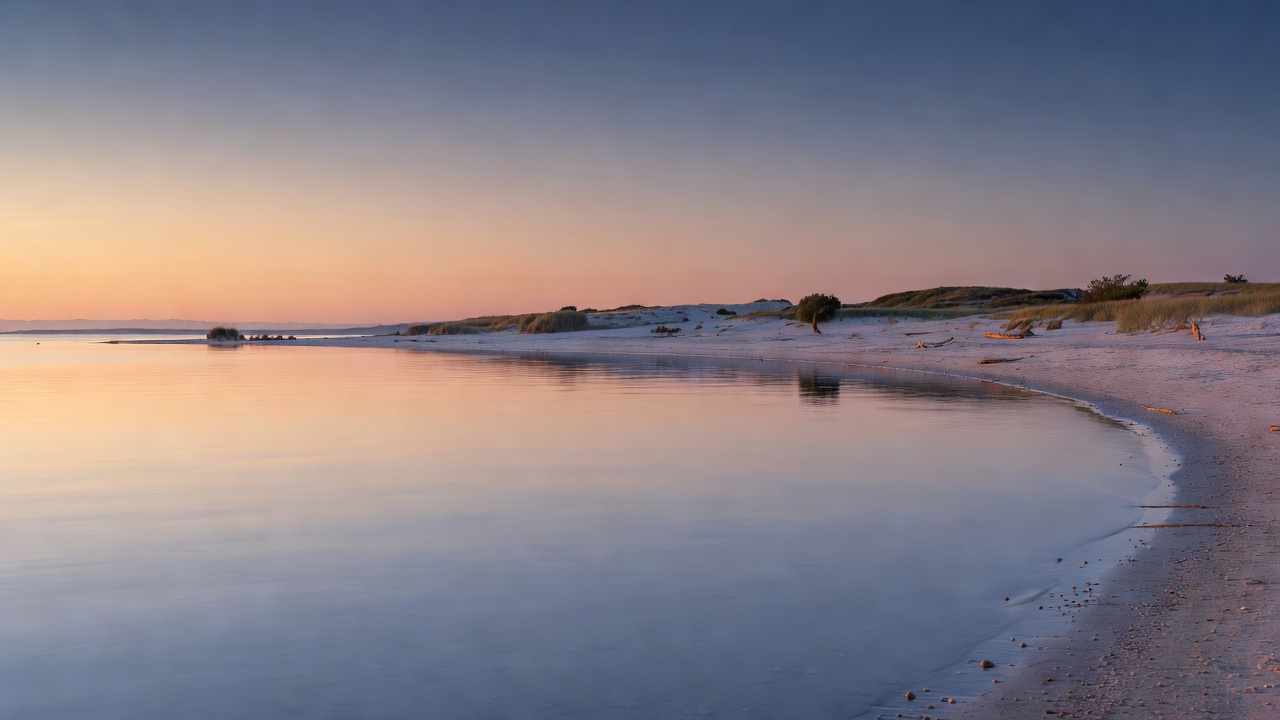
Western Zealand is the quieter side of Denmark's largest island. Where the north coast is defined by open Kattegat beaches and a long tourism history, the west is defined by indentation: bays, inlets, narrow fjord arms and peninsulas that create a shoreline far longer than the map suggests. Water is everywhere, but it is usually calmer, shallower and more enclosed than on the exposed coasts.
The result is a landscape that suits a particular kind of coastal trip — one built around slow days, small towns, boats and shallow swimming water rather than dramatic surf. It is popular with Danish families and with travellers who prefer a coastline where you can hear the water rather than the wind.
Coastal character
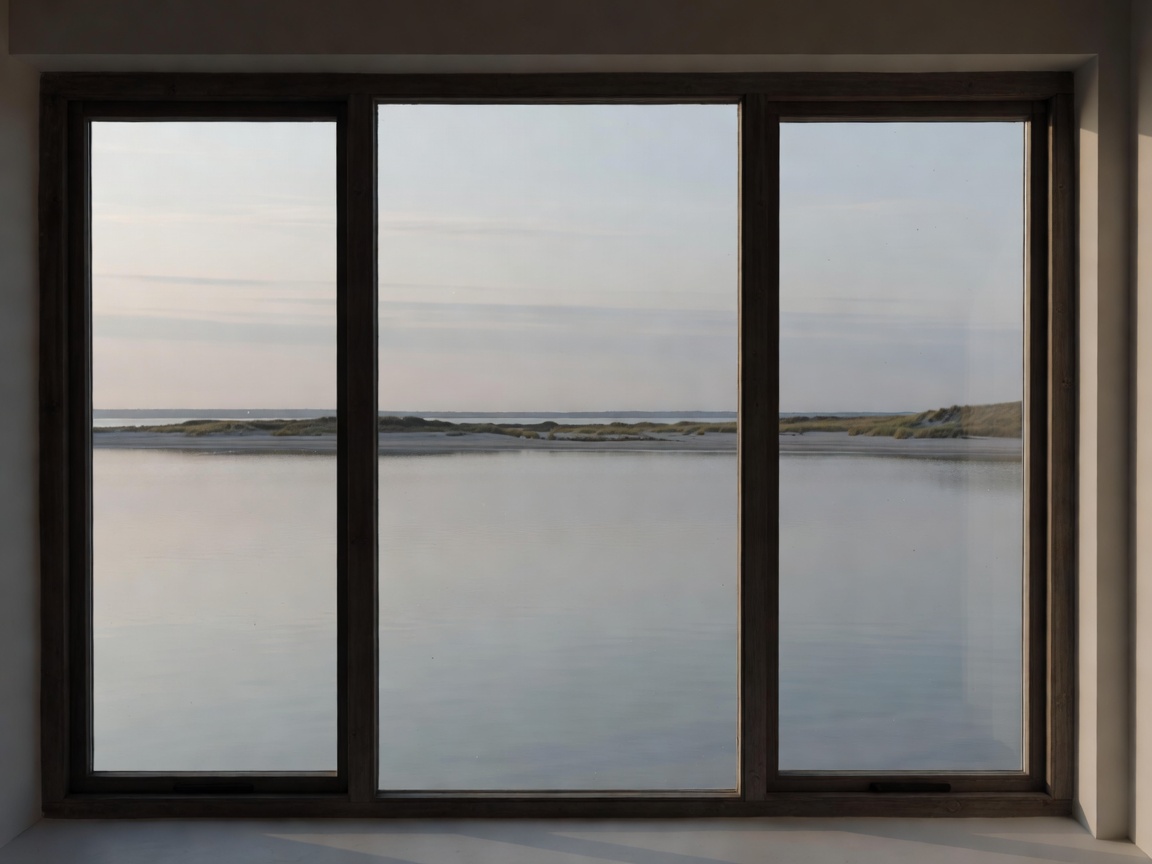
The dominant features here are broad bays and fjord systems that reach inland, creating sheltered water and long stretches of low, green shore. Beaches tend to be smaller and more intimate than the northern strands, often mixing sand with pebble and grass, and the water shelves gently in many places. Because the coast is protected from the prevailing westerly weather by the shape of the land, conditions on the water are frequently calm — one reason the area is well used by small-boat sailors, kayakers and anglers.
Settlement follows the water. Small harbour towns sit at the heads of inlets and at ferry points, and between them the coast is largely agricultural, wooded or given over to summer-house areas. There is a strong sense of local rather than international tourism, which is part of the appeal.
Types of accommodation
- Small-town and harbour hotels, often in older buildings in the centre of a coastal town.
- Inns (kroer), a traditional Danish form of accommodation frequently found in this part of the country.
- Holiday houses in summer-house areas near the shore, generally rented weekly.
- Campsites and holiday centres, many close to swimming beaches and usually operating seasonally.
- Marina-adjacent stays for travellers arriving by boat or drawn to sailing.
Property counts here are lower than around the capital, so booking early for summer weekends is sensible. We do not publish availability or facility information for individual properties — confirm details directly.
Beach and waterfront considerations
Sheltered bays produce calmer swimming water, which is why this area is often recommended for young children. That said, shallow does not automatically mean safe: currents around narrow straits and channels can be significant, and conditions differ from beach to beach. Always follow local signage and, where available, municipal bathing water information.
Many properties described as coastal here are in fact a short distance inland or face a fjord rather than open sea. That is not a drawback — fjord shorelines are attractive and often more sheltered — but it is worth understanding before you book if your expectation is open-sea swimming.
Things to consider when choosing a hotel
- Bay or open coast? The two produce very different water conditions and views.
- Access without a car. Public transport is thinner here than around Copenhagen; check bus connections carefully if you are not driving.
- Dining options. In small towns, restaurant choice and opening hours can be limited, especially outside the summer season.
- Distance to the nearest swimming beach, measured by the actual walking or driving route.
- Boat access if sailing or kayaking is part of your plan.
Seasonal considerations
Summer is the natural season: sheltered water warms faster than exposed coast, and the small towns are at their most active. Spring brings quiet shorelines and bird life around the fjords. Autumn is excellent for walking and for the light over the bays, though seasonal facilities begin to close. Winter is very quiet; the towns continue to function, but coastal tourism largely pauses. If you are travelling outside July and August, check opening periods for both accommodation and restaurants before committing.
Nearby activities
Water-based activity dominates: kayaking on sheltered inlets, sailing, angling and swimming. On land, the region is well suited to cycling, with modest terrain and quiet roads, and there are extensive walking routes along the shorelines. Denmark's small ferries are part of the pleasure of travelling here — short crossings link parts of the coast and nearby islands, and they turn a simple journey into an experience. Market towns inland provide a change of pace, and the region has a substantial cultural and historical heritage well documented by local museums.
Travel planning information
West Zealand is reached from Copenhagen by motorway and by the main rail line running west across the island toward the Great Belt. From the main line, local roads and buses fan out to the coastal towns. A car is the most practical way to explore the shoreline properly, because the coast is long and indented and public transport is designed primarily around towns rather than beaches.
Ferry connections operate to nearby islands and, from certain ports, onward to other parts of the country. Timetables are seasonal in some cases, so plan ferry-based itineraries with the current schedule in hand.
Frequently asked questions
Zealand has coastline on all sides: the Øresund coast near Copenhagen, the northern Kattegat beaches, the bays and fjords of the west, and the southern shores facing the Baltic. Each has a different character and travel profile.
Its sheltered bays and gently shelving beaches are a common reason families choose the area. Conditions vary by location, so check the specific beach and follow local safety information.
It is significantly easier with one. Trains reach the main towns, but reaching individual beaches and summer-house areas usually requires driving, cycling or a local bus.
It is popular with domestic travellers in July and August, but generally feels quieter than the best-known coastal areas.