Introduction
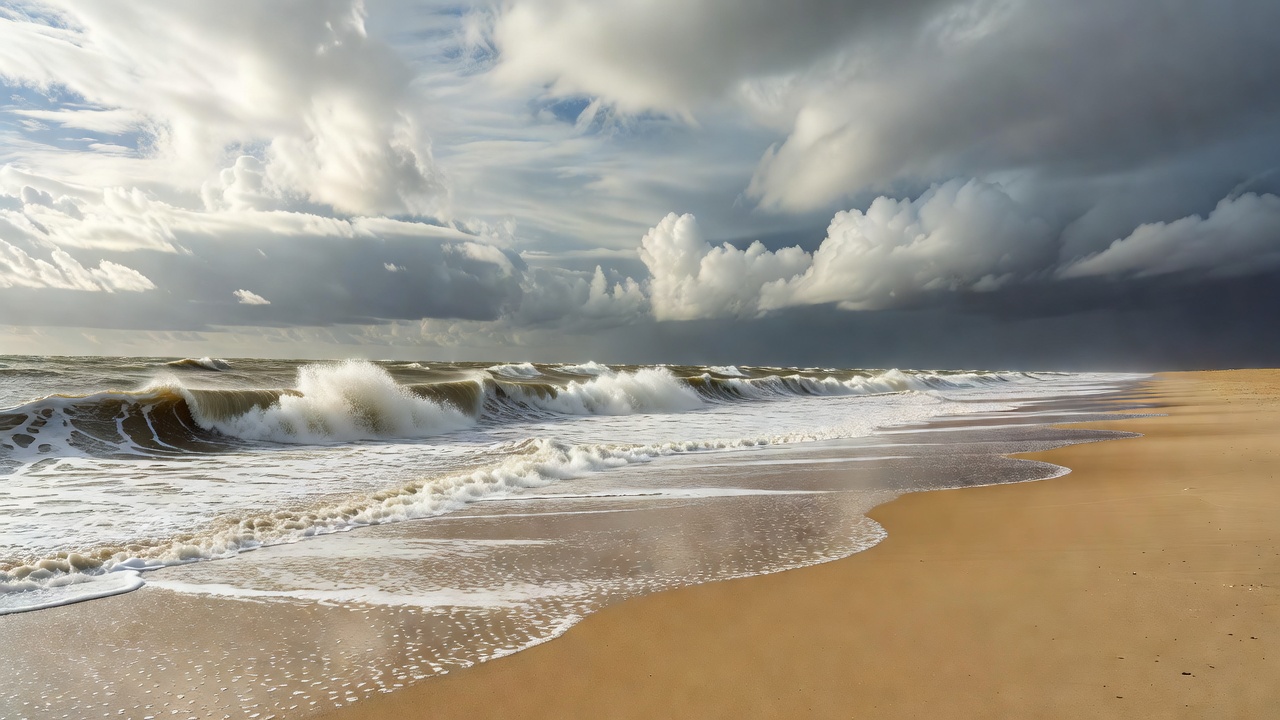
Jutland is the Danish mainland — the peninsula that joins the country to continental Europe — and it carries by far the longest and most varied coastline in Denmark. Its west side faces the open North Sea, its east side the calmer Kattegat, and its northern tip narrows to a point where two seas meet. In between there are fjords reaching deep inland, wide bays, dune plantations, working ports and some of the most heavily used holiday-house landscapes in northern Europe.
For a coastal traveller this is the region with the widest choice. It is also the region where the difference between two seemingly similar coastal locations is largest: a west-coast dune property and an east-coast fjord town produce entirely different holidays, even though both are in Jutland and both are on the sea.
Coastal character
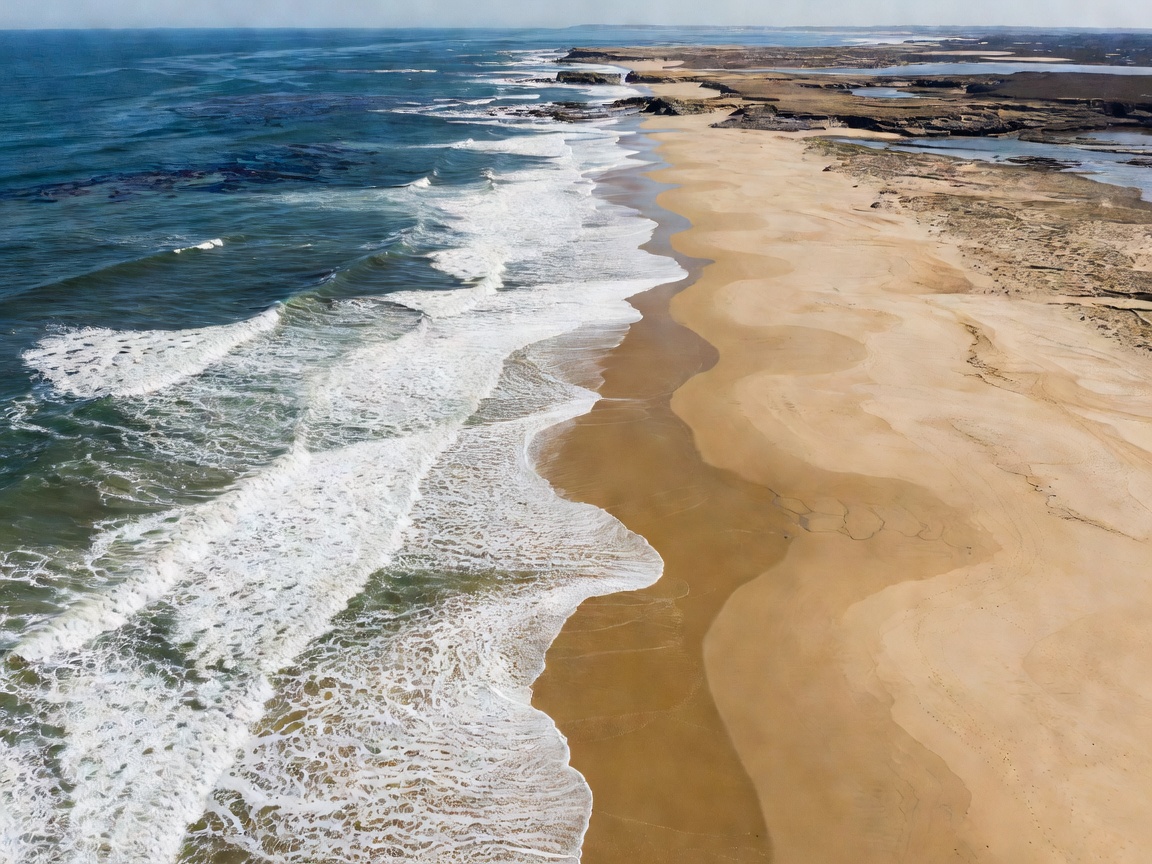
The west coast is exposed and elemental. Wide, hard-packed sand runs for kilometre after kilometre, backed by dune ridges and plantations of wind-shaped pine. The prevailing westerly wind is constant enough to have created a significant wind-sports culture, and the light and space are what draw walkers back year after year. Swimming conditions here demand respect: currents can be strong, and local safety information should always be followed.
The east coast, facing the Kattegat and the inner Danish waters, is gentler. Beaches are smaller and often more sheltered, with woodland and farmland running down to the shore and a series of historic harbour and market towns along the coast. Fjords — long, narrow inlets — cut inland in several places, producing calm water and a distinctive landscape of low green shores.
The north has its own character again: shifting dunes, big skies, migratory bird life and the meeting of seas at the peninsula's tip, a phenomenon that has drawn artists and travellers for well over a century.
Types of accommodation
- Holiday houses in coastal summer-house areas — the dominant accommodation form along much of the west coast.
- Seaside hotels and inns in coastal towns and traditional resort areas.
- Harbour and waterfront properties in the eastern port towns and fjord settlements.
- Larger holiday centres and resorts, often with indoor facilities designed around variable weather.
- Campsites, widespread along both coasts and generally seasonal.
Given the scale of the region, verify the exact location of any property on a map. “West Jutland” covers a very large area.
Beach and waterfront considerations
On the west coast, beaches are broad and public, with dune access via marked paths. Some beaches permit driving on the sand in designated areas, which is a distinctive Danish feature worth knowing about in advance. Bathing safety information, including flag systems and rip-current guidance, is published locally and should be treated seriously on this coast.
On the east coast and in the fjords, conditions are calmer and often better suited to families and to casual swimming. Water temperature in sheltered inner waters typically rises more quickly in summer than on the exposed west coast.
Things to consider when choosing a hotel
- Which sea? North Sea for space, wind and surf; Kattegat and fjords for shelter and calm.
- Distances. Jutland is large. Plan driving times realistically, especially if you intend to see both coasts.
- Wind exposure. Wonderful for kite and surf sports; less so if you want still evenings on a terrace.
- Indoor options. Weather varies; properties with indoor facilities are popular for family stays.
- Season. Many west-coast businesses operate mainly in summer.
Seasonal considerations
High summer brings the warmest water, longest days and the fullest range of open facilities, together with the highest demand for holiday accommodation. Late spring and early autumn suit walkers, cyclists and surfers, and the light on the west coast in September is exceptional. Winter is genuinely dramatic on the North Sea coast — storm watching is a recognised reason to visit — but expect short days, strong wind and reduced services in holiday areas. Eastern towns remain functional year round.
Nearby activities
Surfing, windsurfing and kitesurfing are established on the west coast, supported by a local culture and infrastructure built around wind. Dune and heath walking, birdwatching, and long beach cycling routes are widespread. The eastern coast offers harbour towns with museums, galleries and dining, while the fjords support kayaking and small-boat sailing. Nature areas along the coast include protected dune landscapes and internationally significant wetland and tidal habitats in the south-west, where guided activity is often the appropriate way to explore.
Travel planning information
Jutland is connected to the rest of Denmark by bridge and ferry, and has a national rail network linking its major cities. Regional airports serve some parts of the peninsula. However, most coastal locations — particularly summer-house areas and dune beaches — are far easier to reach by car, and a car is the standard way visitors explore the coast here.
If you are travelling from Copenhagen, allow a substantial journey time; Jutland suits a week-long trip better than a weekend. Combining one base on each coast is a common approach for longer stays, giving both the wildness of the west and the shelter of the east.
Frequently asked questions
The eastern coast and the fjords are generally more sheltered, which many families prefer. The west coast offers space and dunes but is more exposed, and local safety guidance is important there.
On certain designated west-coast beaches, driving is permitted under local rules. Where it is allowed, this is signposted; always follow current local regulations.
Many travellers visit in spring and autumn for walking, cycling and the coastal light, and in winter for storm watching. Check opening seasons for accommodation and restaurants in holiday areas.
For most coastal locations, yes. Cities and larger towns are reachable by train, but beaches and summer-house areas usually require driving.